5 Smart Ways to Maintain Your Garden Without the Stress
As a homeowner, you’ll spend a lot of time looking after your house. This usually involves getting any repairs done, making a few updates, and even redecorating every once in a while. These can all be great to focus on, but they’re far from the only areas you’ll have to consider.
You’ll also need to maintain your garden for more than a few reasons. It’s a core part of your house, after all.
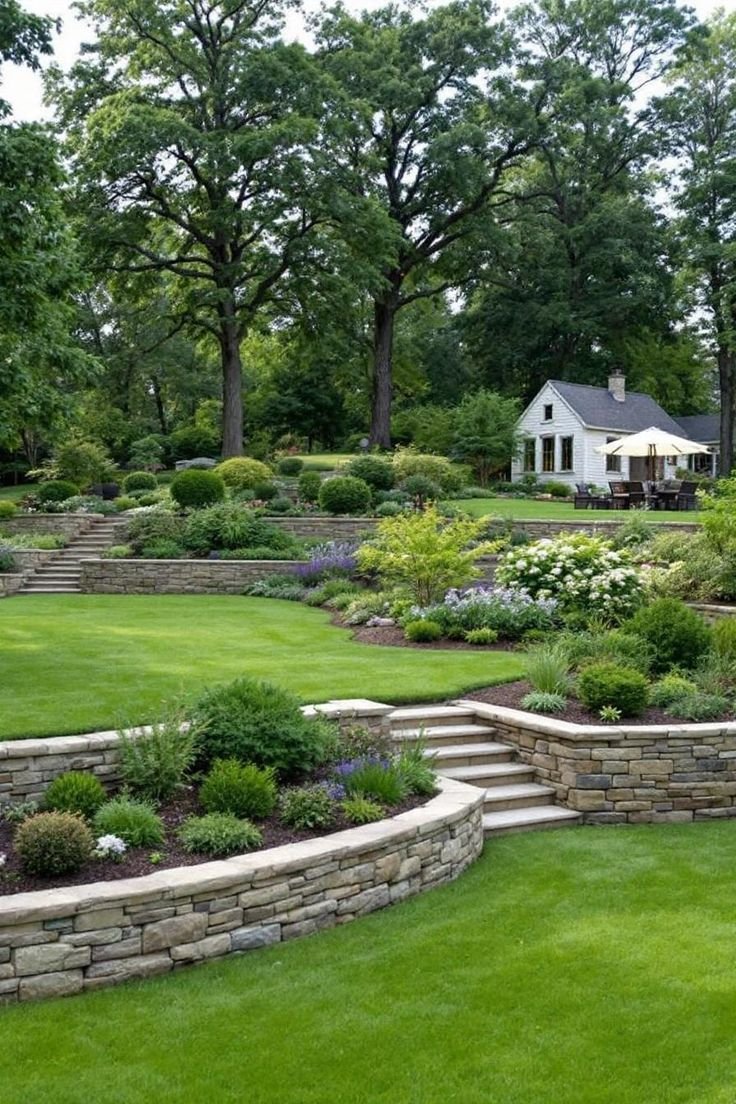
While this can seem like a daunting and time-consuming process, it doesn’t need to be. Taking the right steps and using a few gardening tips could be more than enough to get started with it. Some of them should have a noticeable impact in time.
Why You Should Maintain Your Garden
You’ll already know garden maintenance is essential to making sure your garden looks nice. Without it, the garden looks increasingly more and more unkempt. This might be the most obvious reason to put the time and effort into it, but it’s far from the only one.
You’ll see more than a few benefits once you start putting the time and effort into it, like:
Adding to your home’s overall curb appeal.
Making your garden a more relaxing and inviting place to spend time.
Improving your overall property value if you decide to sell.
Making your garden safer for pets and kids.
These all make garden maintenance more and more appealing, and it could end up being vital for your home. But, you’ll need to know what you’re doing.
This doesn’t always need to be as time-consuming and as much of a hassle as you’d think, even if you have a relatively large garden. You just have to know what you’re doing and actually put the time and effort into it.
More than a few gardening tips and steps could help with this quite a bit. Five of these should be worth starting off with.
Maintain Your Garden: 5 Ways to Make it Easier
1. Keep an Eye on Your Bugs

Bugs and insects can have a significant impact on your garden, and this can be either positive or negative. Most bugs could end up damaging your plants and flowers in some ways. This is usually seen through them eating your plants or infecting them with various diseases. You’ll need to protect against that.
But, there could also be a few other bugs or insects that could actually be beneficial. Bees, for example, help to pollinate your plants and flowers, making them great for your garden. Aim to get rid of more pest-like insects while encouraging bees and similar ones to come to your garden regularly to help it thrive.
2. Get the Professionals In
While you can do most of your gardening and garden maintenance yourself, it doesn’t mean you should try to do all of it yourself. There could be plenty of times when you might want to consider hiring someone to help with this. You could go with anything from a regular lawn mowing service to local tree care consulting services, depending on your needs.
While these will naturally come at a cost, they could help to turn your garden into an oasis and take a lot of the time and effort out of your garden maintenance. If it’s something you can work into your budget, there’s no reason why this shouldn’t have a noticeable impact in time.
3. Use the Right Fertilizer
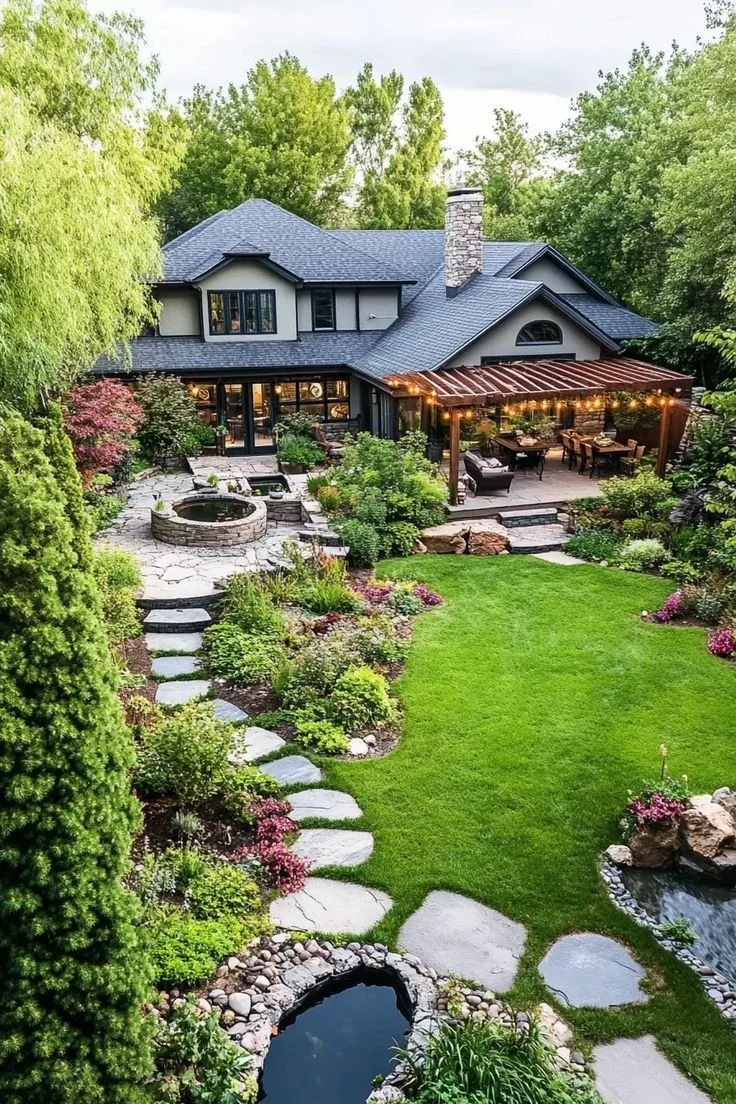
Fertilizer is usually essential for helping your garden thrive without you needing to spend a lot of time and effort on it. But, that doesn’t mean just tossing down any fertilizer you come across and hoping for the best. You’ll need the best fertilizer for your specific garden, and your soil health plays a vital role in this.
You’ll have to make sure your soil has enough moisture and nutrients for your plants and flowers to thrive, and your fertilizer is what gives them this. By making sure you have the right fertilizer, and use it in the right amounts, you shouldn’t have a problem making sure that’s the case.
4. Examine Plants Before Buying
You’ll end up buying more than a few plants and flowers to add to your garden as time goes on. For most people, the visuals and potential maintenance they need are all they’ll focus on. As important as these are, however, it doesn’t mean they’re the only areas you should consider. You should always examine the plants before buying.
This helps you spot any signs of disease that could end up having a significant impact on your garden. Nobody wants this to spread, as it’ll mean putting in a lot more maintenance and, potentially, losing more than a few of the plants and flowers you already have. You’re better off being careful before buying.
5. Prune Damaged Limbs at the Right Time
Speaking of diseased plants, these can often be pruned before the disease has a proper chance of developing and spreading to your other plants and flowers. The same can be said for any damaged limbs your plants, flowers, or trees have. You just have to make sure you’re pruning at the right time.
Pruning everything in the late winter or early spring can often be the best time to go for, as it avoids any potential infections or diseases developing during the winter. Your garden will be in a much better position to thrive because of that, and it’ll avoid you needing to deal with a few issues later on.
Summing it Up
There’ll be plenty of reasons to maintain your garden as time goes on. It preserves your property value, helps with your curb appeal, and gives you somewhere relaxing outdoors for you to spend time in. You’ve no reason not to put the time and effort into.
But, this doesn’t need to be nearly as hard as you’d think. Taking the right steps and using a few gardening tips should be more than enough to help with this, and it’ll take a lot of time and effort out of it.