Why The Best Neighborhoods Are Designed For Everyday Life
Design that works for everyday life begins with an understanding of routine. Where people go, how they move, what they notice when they are not trying to be impressed. The best places feel calm because they anticipate use rather than forcing behaviour. Paths follow desire lines. Benches sit where people actually stop. Nothing feels staged.
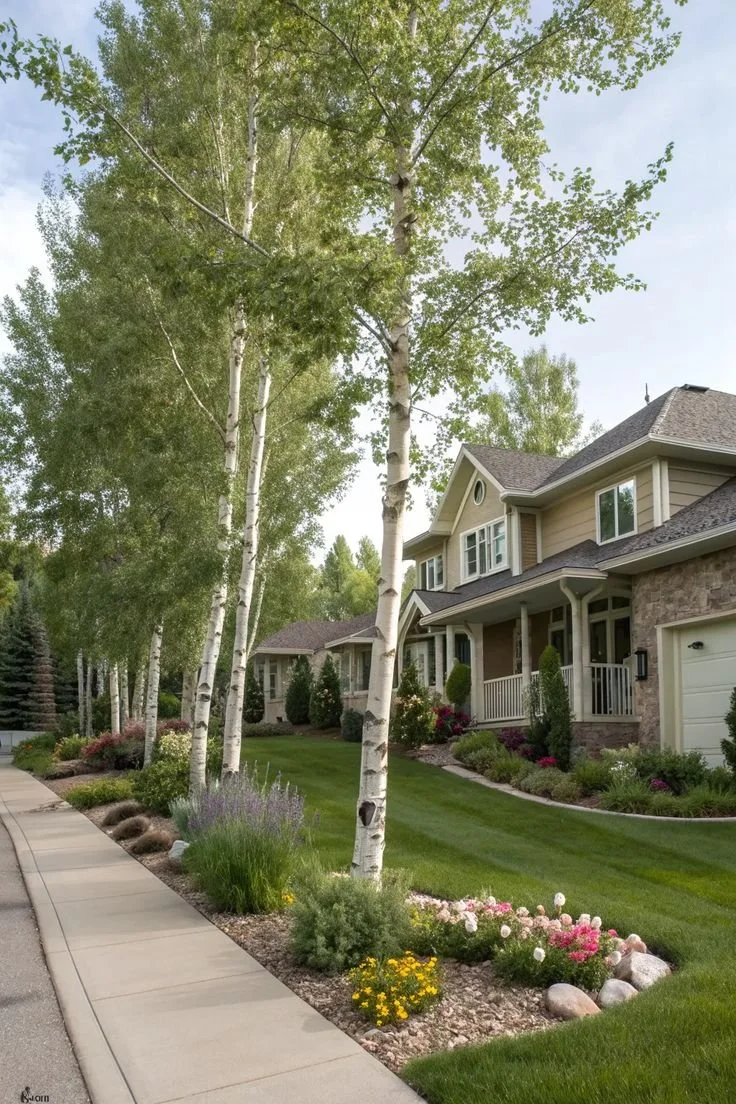
This kind of design respects time. It recognises that most of life is not a special occasion. When streets are shaped around daily rhythms, they support a sense of ease that cannot be retrofitted later.
Streets That Invite Life
A good street is more than a route from one place to another. It is a social surface. Width matters, but so does texture, sound, light, and the way buildings meet the pavement. Streets that encourage everyday life do not rush people through. They slow movement naturally, not through obstacles, but through interest.
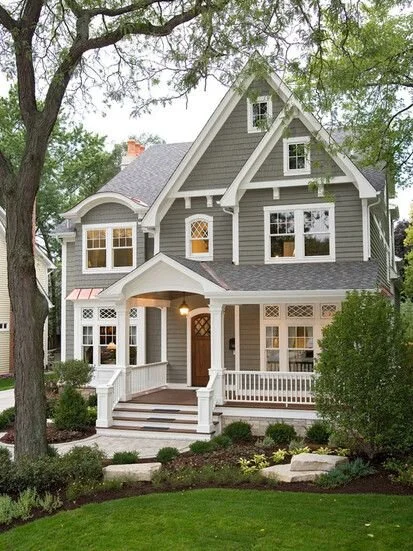
Doors that open directly onto the street create casual awareness. Windows at eye level offer glimpses of life without exposure. Trees soften edges and change the feeling of time passing. When care is taken with these details, the street becomes somewhere to exist, not just to pass.

Green Space With A Purpose
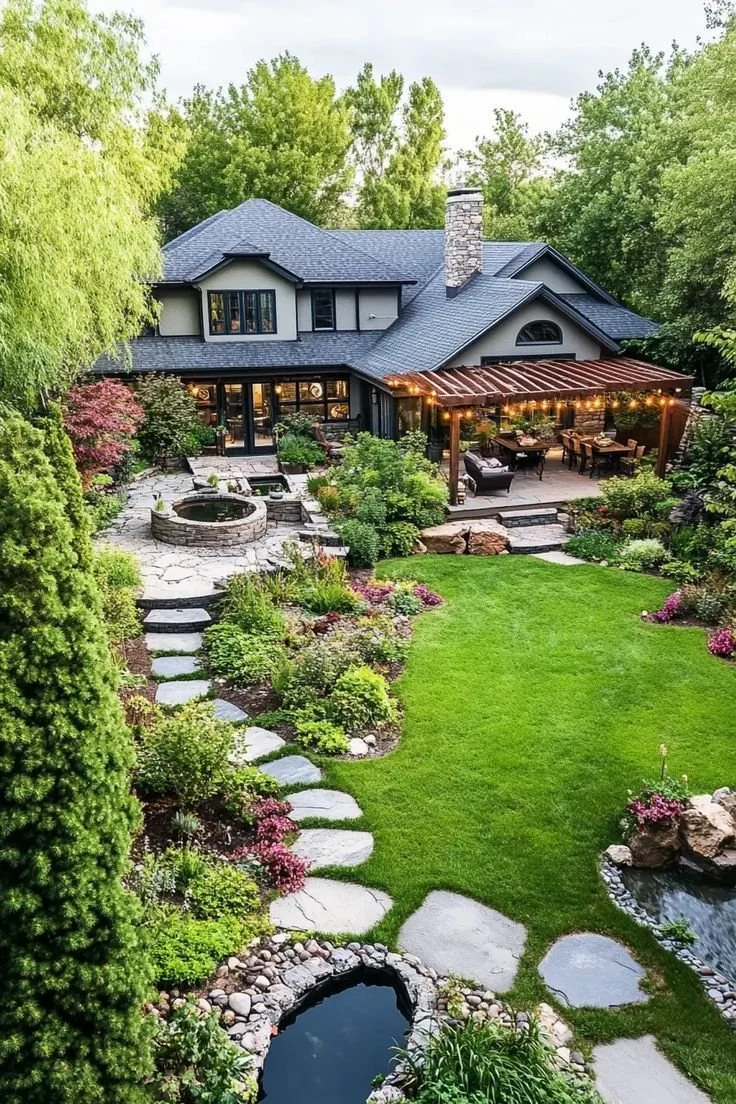
Green space works best when it has a clear relationship with daily habits. A patch of grass no one uses is not a success, no matter how lush it looks. Parks, verges, and courtyards should answer specific needs. Somewhere to sit with a coffee. Somewhere a child can move freely. Somewhere that absorbs noise without isolating people.
This is where thoughtful collaboration with landscaping specialists like Terra Forma can elevate a neighbourhood. Not through grand gestures, but through planting that matures well, surfaces that age gracefully, and layouts that acknowledge how people actually behave when no one is watching.
Density Without Discomfort
Density is often treated as a problem to solve rather than a condition to design well. The best neighbourhoods show that it can support everyday life when handled with care. Proximity creates opportunity. Shops survive because people live nearby. Public transport works because there is demand. Streets feel safer because they are observed.
Comfort comes from proportion and transition. Private spaces need breathing room. Shared spaces need clarity. When density is designed around lived experience rather than numbers on a plan, it feels natural.
Local Character That Grows Naturally

Authentic neighbourhoods develop character through use, change, and adaptation. Design should allow this to happen. Materials that weather, spaces that can be reinterpreted, buildings that can change purpose over time. These choices create resilience.
Everyday life is unpredictable. A good neighbourhood absorbs that unpredictability without losing coherence. It allows small businesses to emerge. It leaves room for social rituals to form. Over time, this flexibility becomes identity.
Designing For Belonging
At its core, everyday design is about belonging. When people feel that a place understands them, they care for it. This does not come from perfection. It comes from thoughtfulness. From noticing how sunlight falls in winter. From acknowledging that people need both connection and retreat.
The best neighbourhoods succeed because they are not trying to be iconic. They are trying to be lived in. When design supports the ordinary moments, the extraordinary ones take care of themselves.