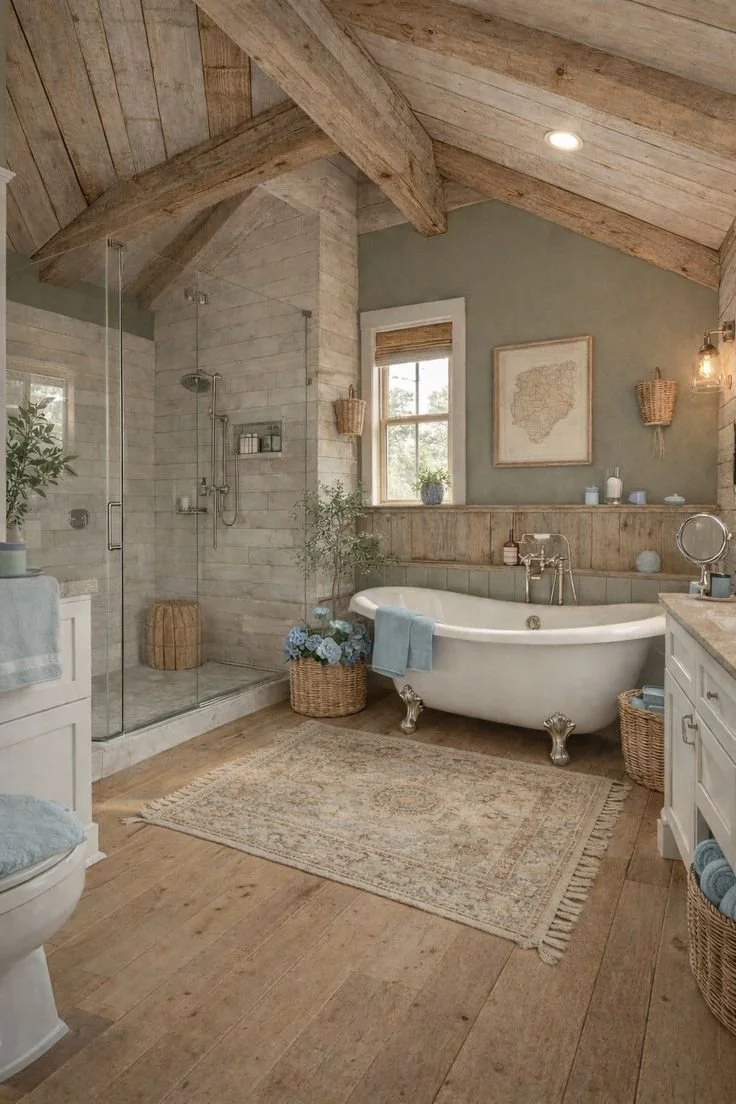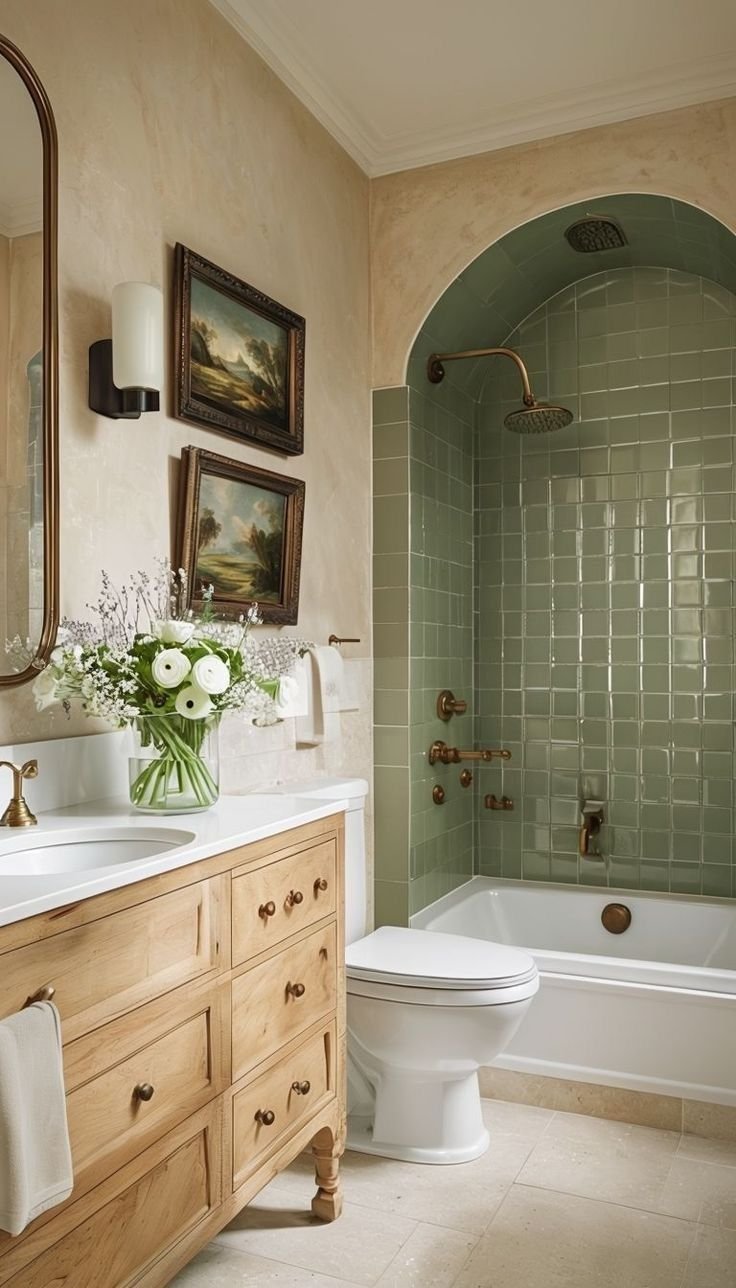
The Key Steps To Renovating Your Bathroom
The bathroom is one of the most important parts of the house, and one area that is always going to be worth renovating. If you can improve this part of the home, it is usually going to make a considerable difference to the way in which you approach your home as a whole and how you feel about it. So it’s something that you will definitely want to think about, whether you are selling or you just want to make your home more liveable to be in.

In this post, we are going to take a look at some of the key steps to renovating your bathroom that you may want to be aware of. If you can get the following right, you should find that you are much more likely to be able to succeed here.
Understanding The Reason
Before you choose tiles or taps, get clear on why you’re renovating. Is the room outdated? Poorly laid out? Lacking storage? Are you preparing to sell, or designing a long-term space for yourself? A family bathroom will have very different priorities compared to a compact en-suite. If you’re planning to stay in your home for years, you might consider future-proofing with features like walk-in showers, wider doorways or reinforced walls for potential grab rails. Being honest about your goals will help shape every decision that follows.
Setting A Realistic Budget
You are not going to get very far without a strong budget in place. Bathroom renovations can vary wildly in cost depending on size, layout changes and the quality of fixtures you choose. Create a clear budget early and include a contingency of at least 10–15 percent for unexpected issues, especially in older properties where hidden water damage or outdated pipework may be uncovered. If you are financing the renovation, it’s wise to factor in not only materials and labour but also extras such as skip hire, waste removal, and temporary accommodation if the bathroom will be unusable for a period.
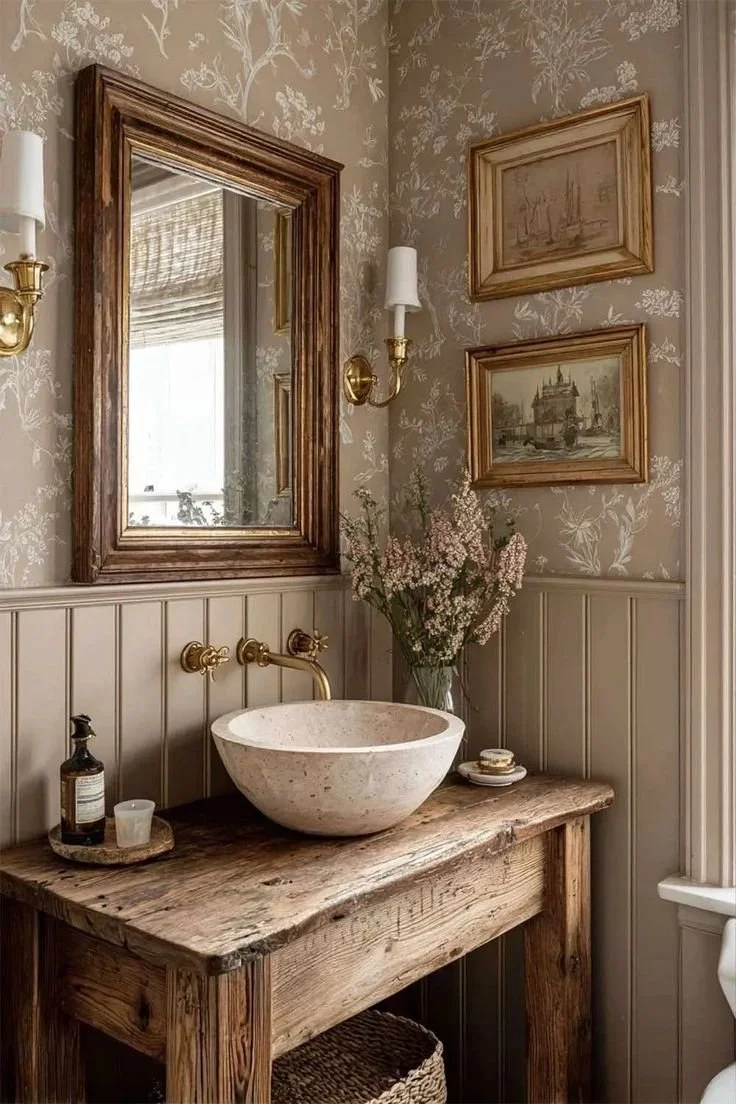
Planning The Layout
Layout is arguably the most important design decision you’ll make. Moving toilets, basins or showers can significantly increase costs because it often involves altering pipework and drainage. If your existing layout works reasonably well, keeping the main plumbing in the same positions can save both time and money. However, if the current arrangement feels cramped or awkward, this is your opportunity to rethink it entirely. Consider flow, door swing, storage access and how multiple people might use the space at once. A professional designer or experienced plumber can advise on what’s realistically achievable within your space.
Choosing Fixtures & Fittings
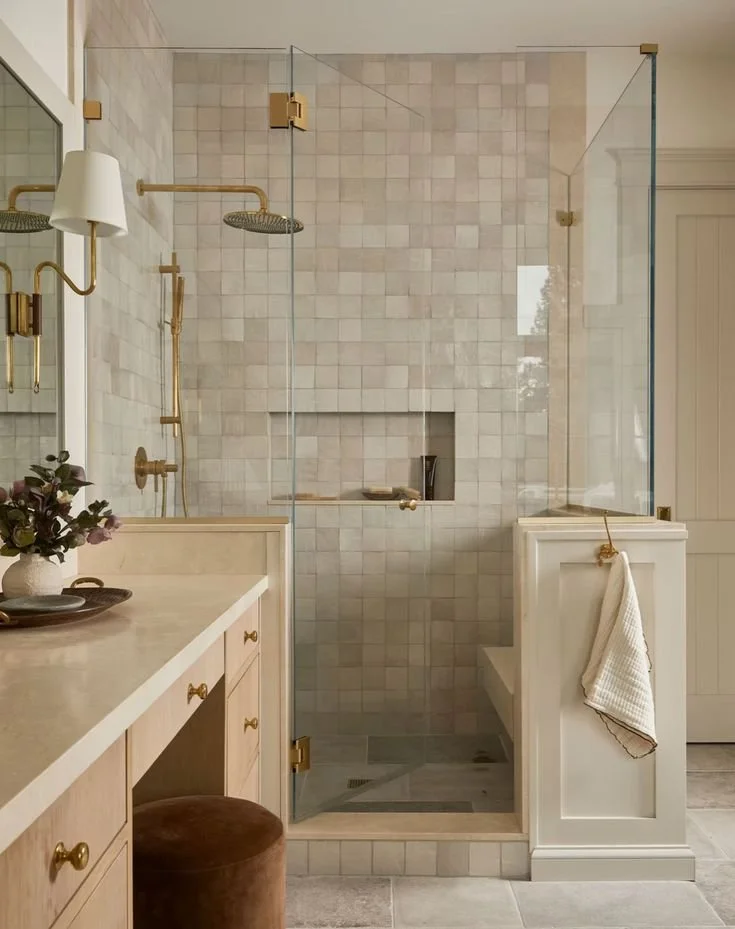
Once the layout is confirmed, you can move on to selecting your suite, taps, shower system and storage. This is where style meets practicality. Wall-hung toilets and basins create a sense of space and make cleaning easier. Vanity units add valuable storage while concealing pipework. When selecting showers or baths, consider water pressure and heating capacity. A rainfall shower head may look luxurious, but it won’t perform well if your system can’t support it. If you’re unsure, consult a qualified plumber, who can guide you on compatible options and current design trends.
Selecting Tiles & Finishes
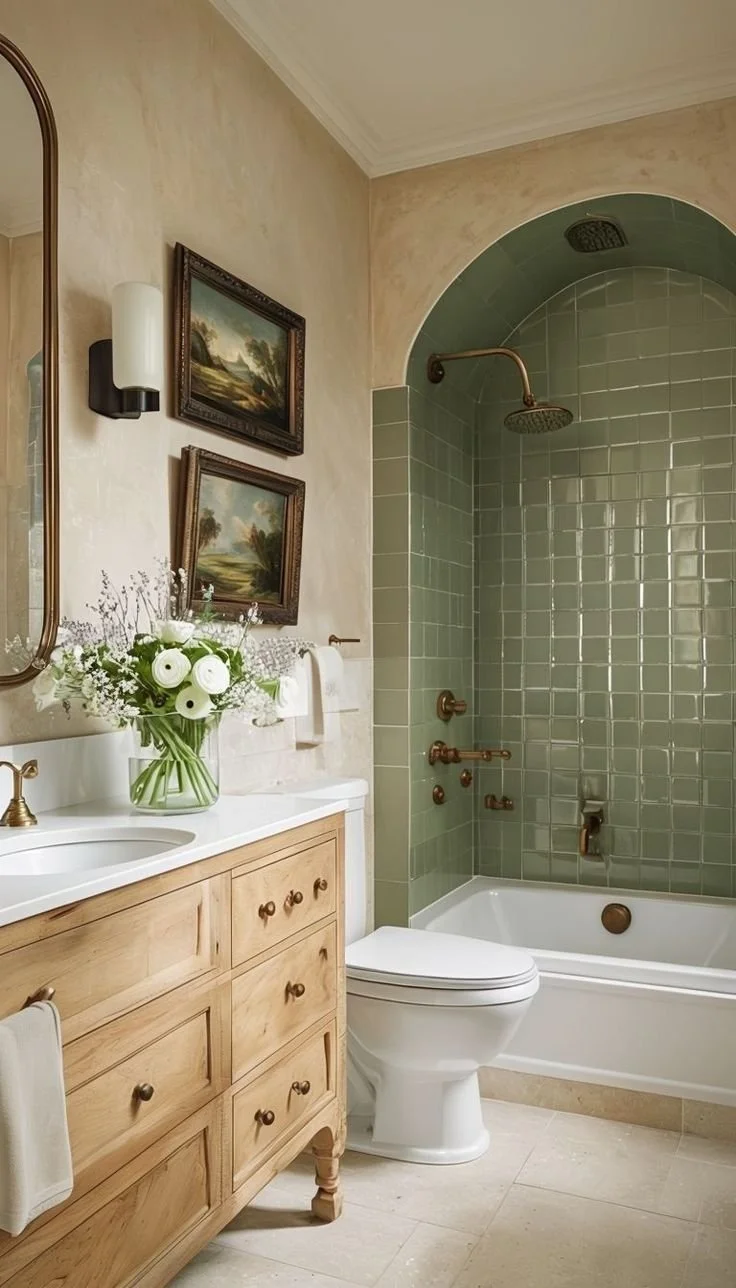
Tiles play a huge role in the overall look and durability of your bathroom. Porcelain tiles are popular for their strength and low maintenance, while ceramic options can be more budget-friendly. Think carefully about slip resistance for flooring, particularly in family homes. Large-format tiles can make a small bathroom feel bigger by reducing grout lines, while textured or patterned tiles can add personality. Balance bold design choices with timeless elements to avoid a look that quickly feels dated.
Waterproofing & Ventilation
Bathrooms deal with constant moisture, so waterproofing is critical. In the UK, wet areas must be properly tanked before tiling to prevent leaks that can damage walls and floors. Skipping or rushing this stage is one of the most common and expensive mistakes in bathroom renovations. Ventilation is equally important. An efficient extractor fan helps prevent condensation, mold and peeling paint. If your current fan is underpowered or poorly positioned, upgrading it during renovation is a smart move.
Hiring The Right People
While some confident DIYers tackle parts of a bathroom renovation themselves, plumbing, electrics and waterproofing are best left to qualified professionals. In the UK, certain electrical work in bathrooms must comply with Part P building regulations. Seek recommendations, check reviews and always confirm credentials. A reliable contractor will provide a detailed quote, a timeline and clarity on who is responsible for sourcing materials. Good communication at this stage prevents misunderstandings later.