The Invisible Prep Work Behind Your Functional Outdoor Upgrades

There are different ways to inject more life into your outdoor spaces, and one of the most efficient strategies is to bring functional upgrades that improve both curb appeal and use. This means addressing existing issues or improving aspects of your front yard that will encourage you to use it more often.
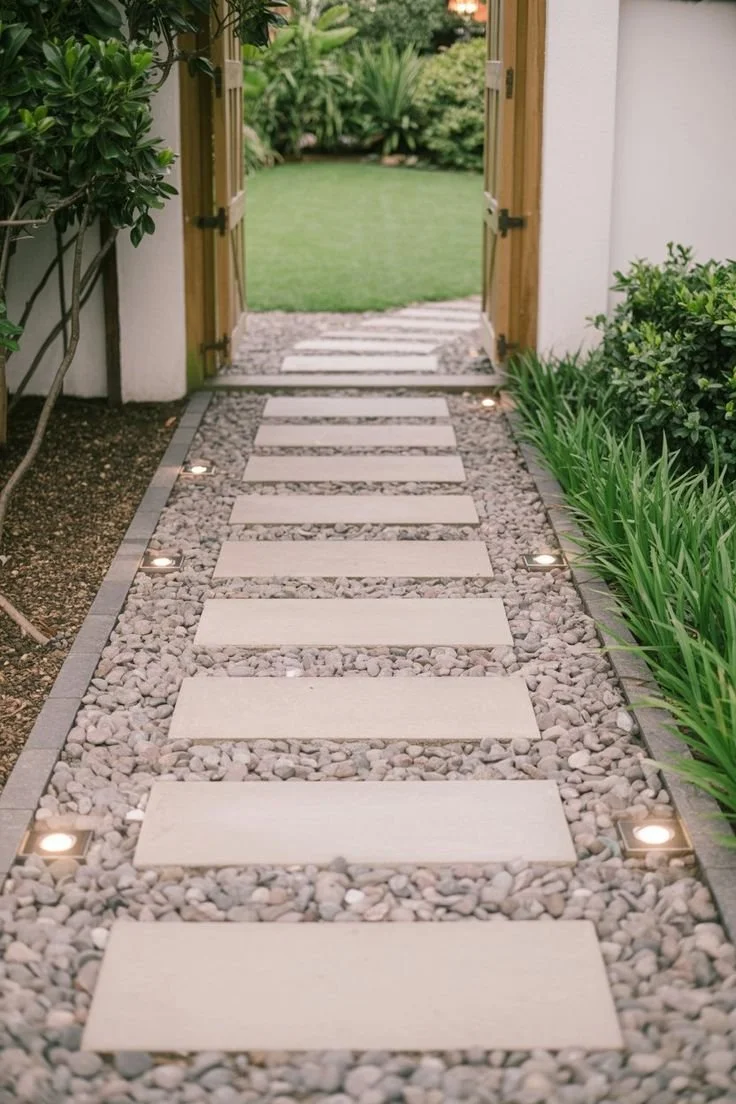
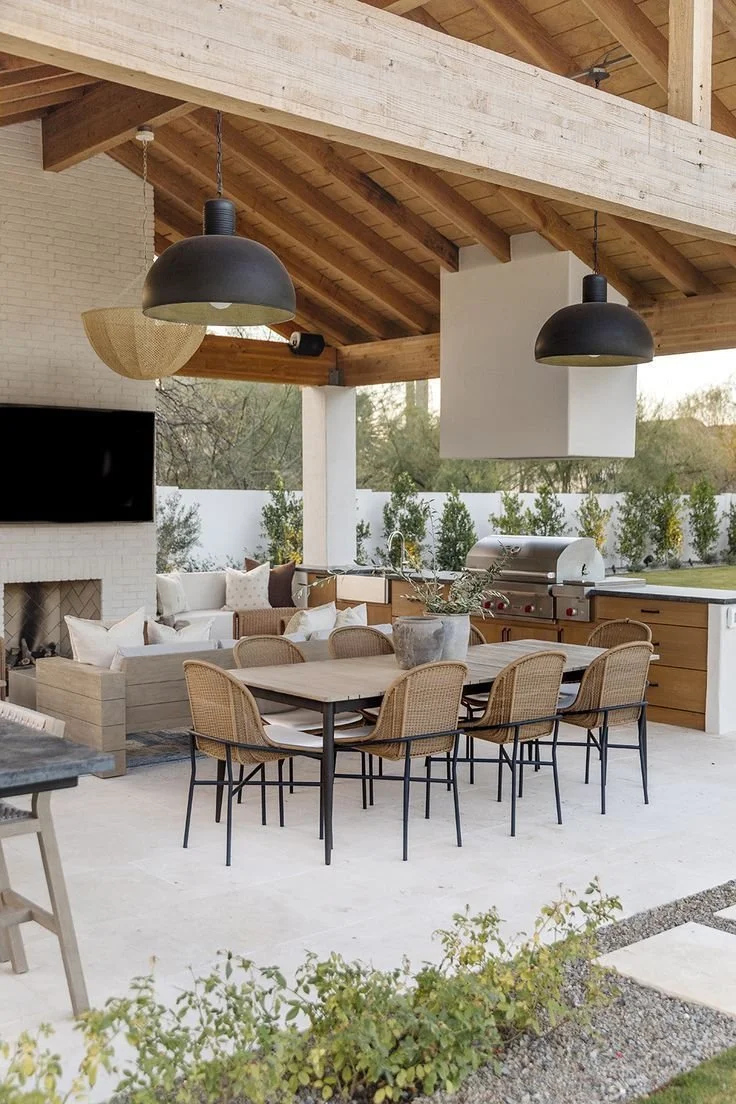
Driveways and patios typically rank on top of outdoor improvement works for the typical American home. In fact, patios are so popular that over 60% of single-family homes built in the last few years came with one already as part of the plan. Across the country, homeowners are carefully designing their dream outdoor space, and if a patio wasn’t part of the original build, it’s often the first item that gets added through home improvement projects.
So, if you are in a position where you want to change your front yard for the better, functional upgrades are likely to be on top of your list. However, before you create your patio moodboard on Pinterest, you will need to prepare your terrain accordingly. Ultimately, functional improvements require foundational steps to support long-term results.
Here’s some of the key prep work to consider.
Soil Assessment
You may be used to soil assessment and testing when it comes to plants. But when your garden needs to become a construction site for a new structure, it’s important to use soil assessment to address one key question: What is the ground’s load-bearing and movement resistance ability?
There’s no way around it. If your soil composition, density, or stability isn’t sufficient for the project, your outdoor structure will rapidly develop cracks or even sink.
Professional soil assessments will determine the type of soil, as different soils behave in different ways:
Clay
Sandy soil
Loamy soil
The information will determine whether your soil needs reinforcement ahead of the build.
Soil Grading
Grading is the process of shaping and leveling the ground so you can use it as a stable building surface. Typically, this involves working with a professional grading contractor to adjust the slope of your garden. Essentially, the whole process consists of redistributing the soil and preparing the area for construction.

This is an essential step when you are adding a driveway or a patio to your front yard. It also becomes a part of preparing the foundation for additional structures, like a storage shed, for example.
Why is this important even if your soil appears leveled?
For a start, every construction project will involve some level of digging, so it’s important to create a flat surface afterward. Additionally, adding new structures to your garden may affect the general slope and water flow, so grading can help reduce the risk of water pooling and erosion near the foundations.
Base Preparation
Your driveway relies on solid foundations, which is why you need to create a sturdy support layer that will sit between the soil and the finished surface. This is called base preparation. It acts as a structure stabilizer and allows the weight to be evenly distributed.
Most base preparation works use common base materials:
Sand
Concrete
Compacted gravel
Etc.
Their role is to reduce movements underneath the surface and improve drainage. You can’t skip that step without facing regular cracks in the finished surface. Besides, poor base preparation typically shows in uneven settling, which can force you to re-do the whole structure. Depending on the type of soil you are working with, the base preparation may include different mixtures of materials.
This step is generally managed by professionals when you are working with a contracting team. However, if you are planning on building your own patio or driveway from scratch, it’s important to include the base preparation as part of your activities.
Planning Access for Construction Equipment
If your outdoor project needs heavy equipment and specialized tools, you will need to work with the team to help plan access to the work area.

What does access planning mean? In essence, this step is designed to identify entry routes, equipment placement, and potential workspace boundaries. The reason why this is important is to support the whole construction process and schedule. Besides, it also helps prevent damage to lawns, nearby structures, and other garden elements that you want to keep.
There’s no denying that when access is limited, the project can rapidly become more complex and expensive, especially as materials and equipment can struggle to reach the site.
Running Electrical Lines to Outdoor Spaces
Are your functional garden upgrades going to rely on electricity? You may not think they do, but it can be part of a lighting solution or even external heating access for the patio. In other words, it’s often necessary to bring the electricity also outside your house by running an electric al line from the home to the garden.
This type of electrical planning needs a licensed professional to install underground wiring, as well as a protective conduit to prevent moisture contact. Ideally, you want to plan early, but you also need to consider existing structures underneath your soil, including pipes and drainage solutions.
Drainage and Waterproofing
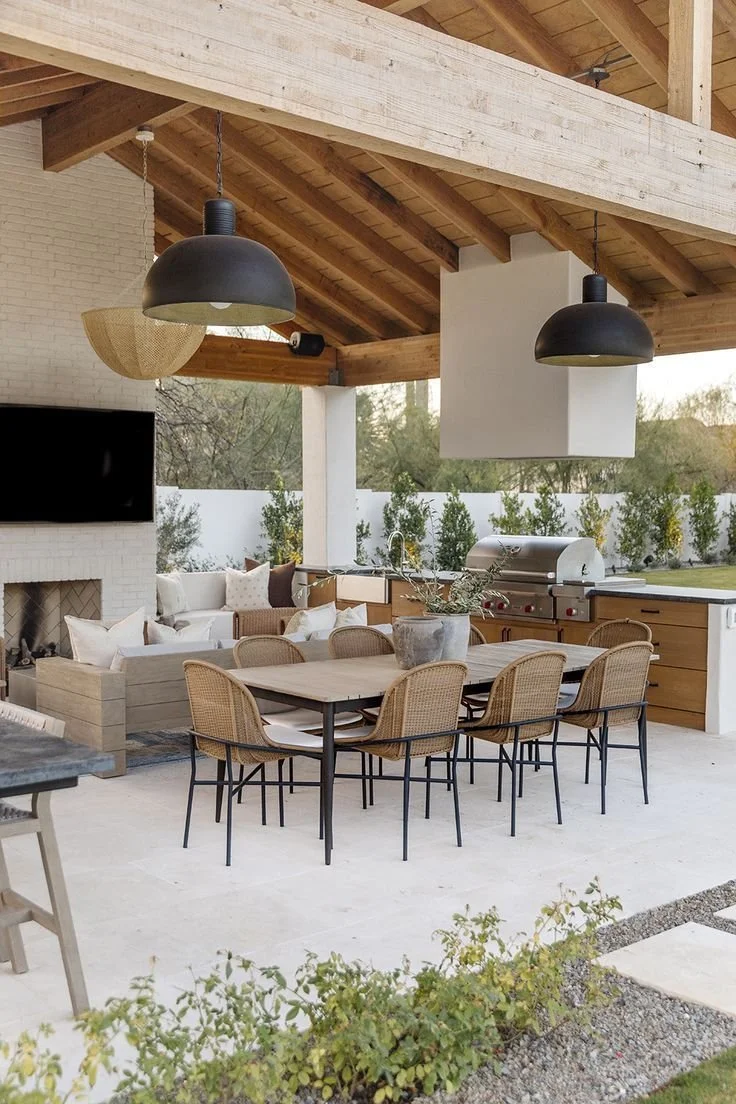
Outdoor construction changes how water moves across a property. New driveways and patios introduce hard surfaces that alter natural runoff patterns. Effective drainage systems manage this water and protect nearby structures.
Drainage solutions may include channels, slopes, and runoff systems that guide water away from the home. These systems help prevent pooling, erosion, and foundation damage. Proper water management also protects landscaping and maintains the appearance of outdoor spaces.
Waterproofing complements drainage by protecting surfaces and structures from moisture exposure. Protective barriers and sealants reduce the risk of water penetration and surface deterioration. Together, drainage and waterproofing support long-term performance and structural integrity.
In conclusion, outdoor improvements that enhance both the beauty and functionality of a home need proper planning. Indeed, the success of your functional upgrades depends on careful preparation, including soil assessment, grading, base construction, electrical planning, and drainage solutions to create a strong foundation for lasting results.
That is where thoughtful groundwork protects new features from structural issues and environmental damage. When homeowners understand the preparation behind outdoor upgrades, they can approach projects with greater confidence.