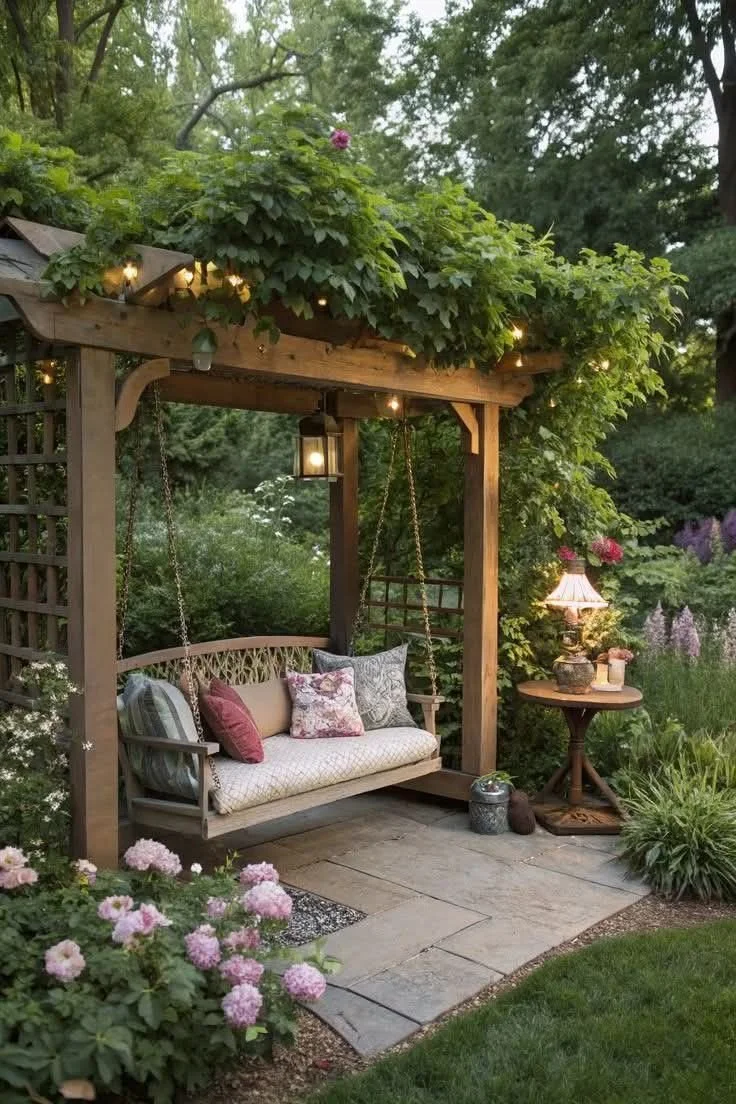
Upgrades That Will Make Your Outdoor Space Spring Ready
Spring always arrives faster than expected, and the weeks leading up to it offer a rare pause. The yard is still quiet. The pace is slower. That space between seasons is ideal for making thoughtful improvements without rushing or overspending. Changes made now tend to settle in naturally and feel purposeful once outdoor living becomes part of everyday life again.
Read The Clues Left By Winter
Winter is honest about what worked and what did not. Take a slow walk through your outdoor space and notice where water lingers, where materials feel strained, and where surfaces show wear. These details surface when temperatures stay low and distractions are minimal.
Cleaning is useful, but observation matters more. A hose reveals uneven drainage. Clearing leaves exposes cracked edging. Addressing these issues early prevents larger repairs later and keeps the space feeling reliable rather than reactive.
Make Seating Feel Worth Using
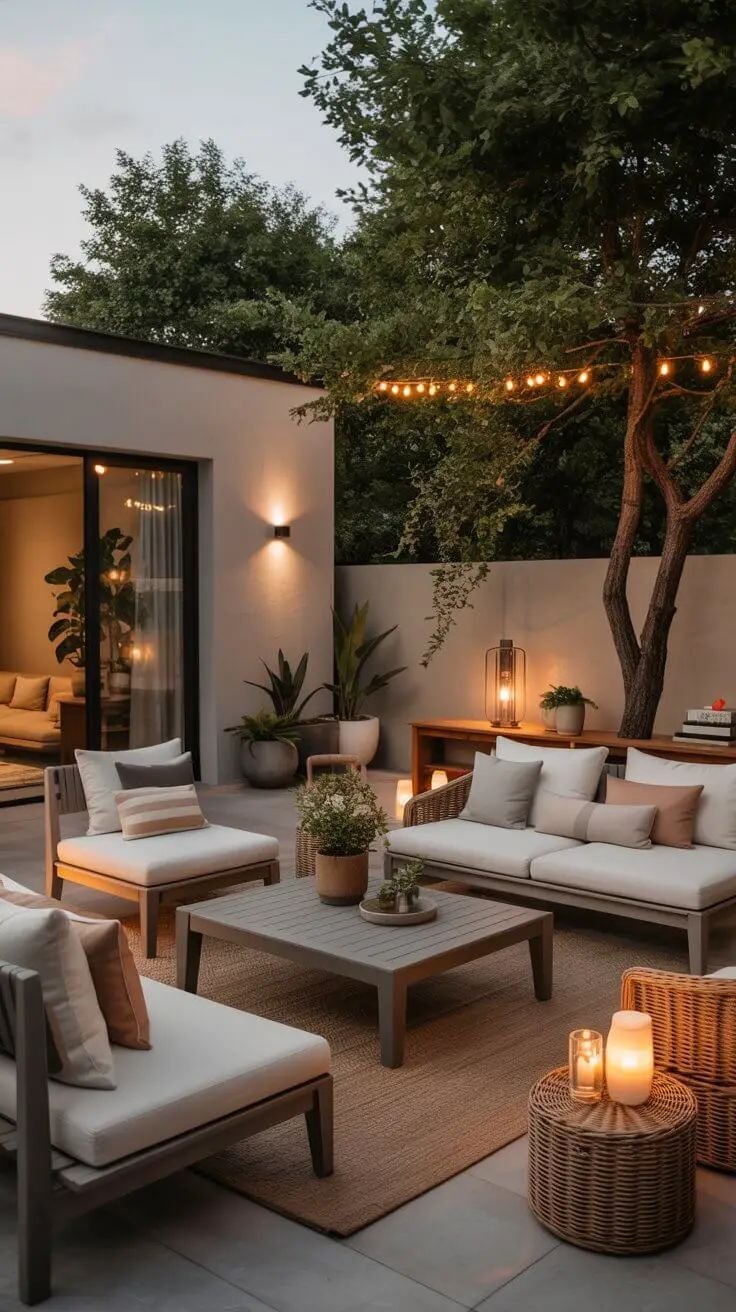
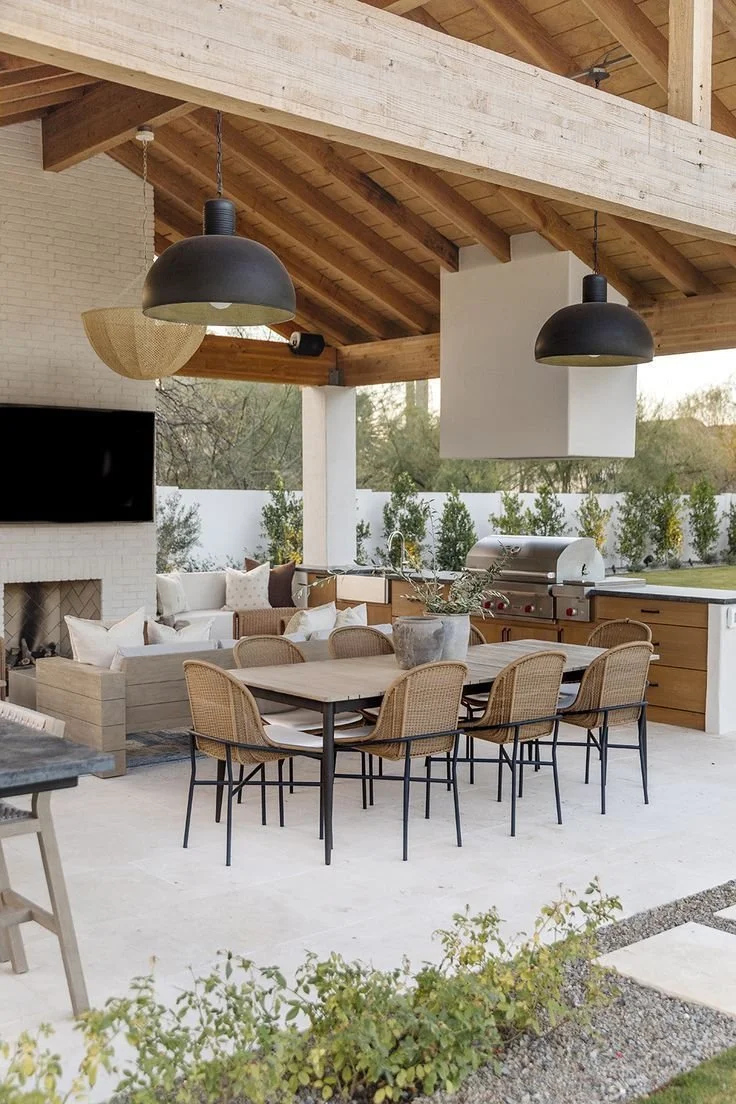
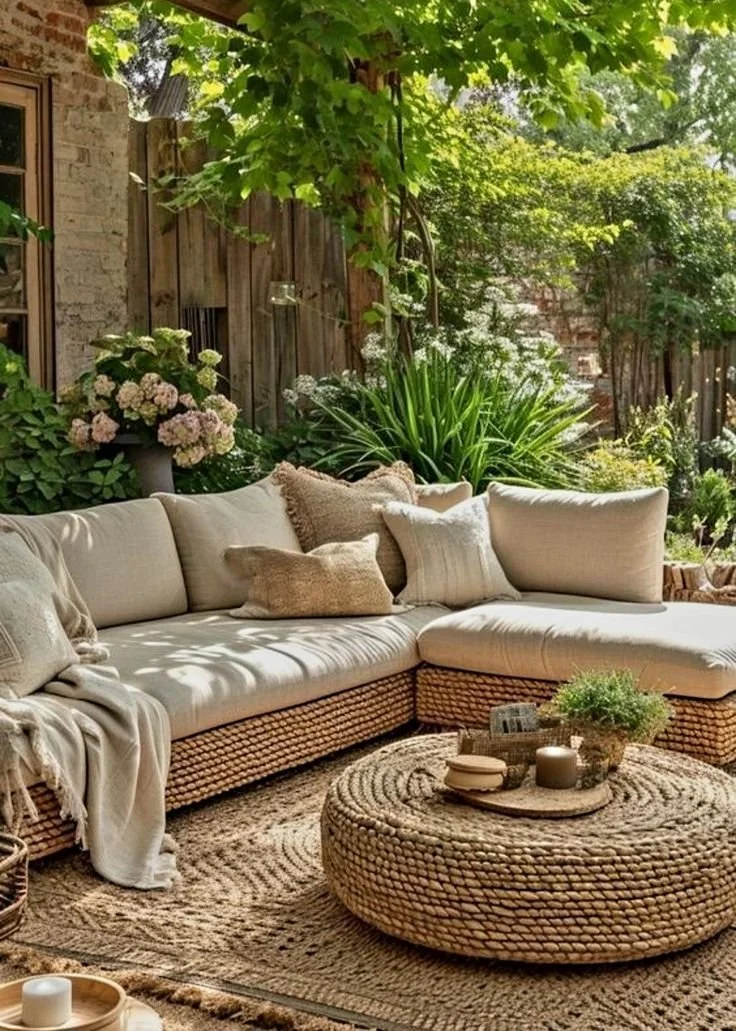
Seating is often the difference between admiring a yard and actually spending time in it. Furniture that feels stiff or awkward tends to stay unused, no matter how good it looks. Comfort encourages habits, and habits turn outdoor spaces into extensions of daily life.
This is where choosing the right pieces matters. A teak patio chair offers solid support, ages gracefully, and holds up to changing weather with minimal effort. It feels intentional without being flashy and invites people to sit longer, which is often the real goal. Well-chosen seating becomes part of the rhythm of the space rather than an afterthought.
Work The Soil Before Growth Begins
Healthy planting starts long before anything goes in the ground. Winter compacts soil and slows drainage. Loosening beds early allows oxygen and moisture to move freely once temperatures rise.
Adding compost now gives it time to integrate rather than sitting on the surface. Pay attention to how the soil feels in your hands. Texture reveals more than color. A little patience here sets the stage for stronger growth and fewer problems later.
Use Light To Extend The Evening
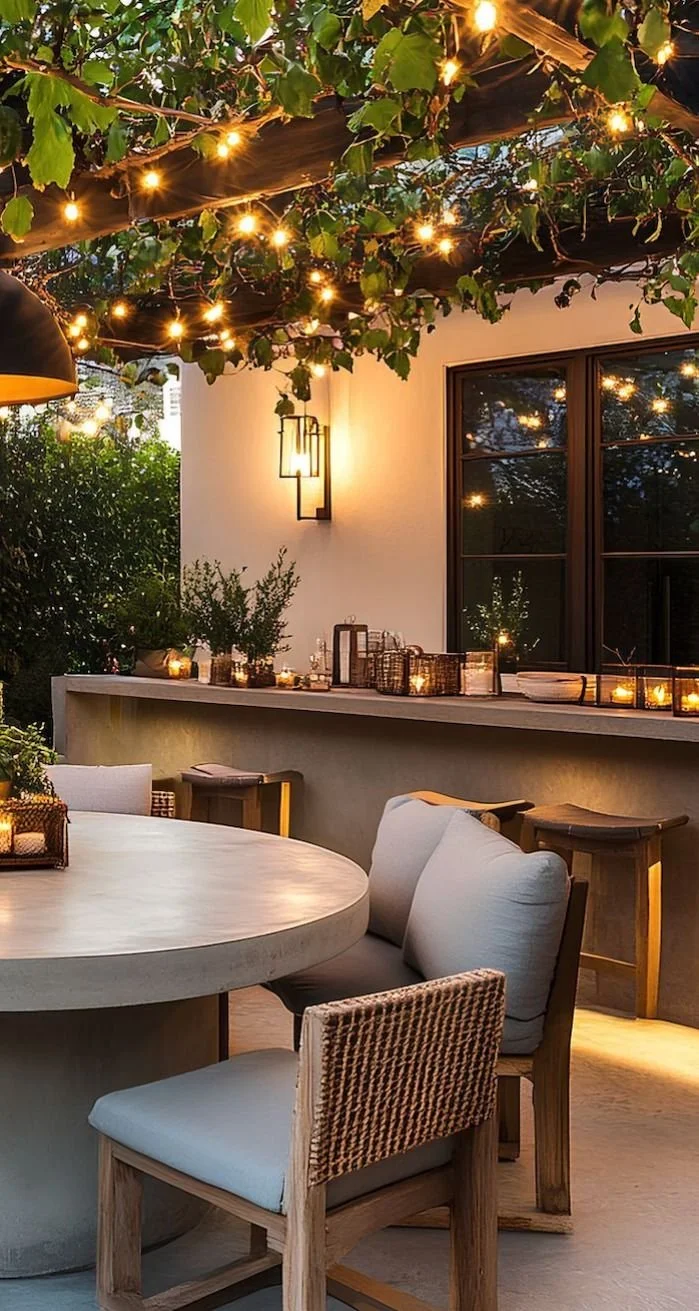
Outdoor lighting works best when it feels subtle. Bright floodlights flatten the atmosphere and discourage lingering. Lower, warmer light creates a sense of ease and makes evenings feel welcoming.
Install lighting before plants leaf out fully. This makes placement easier and avoids constant adjustment later. Thoughtful lighting supports how people move and gather without demanding attention.
Let Movement Guide Design
Paths tell the truth about how a space is used. If people naturally cut across the lawn, that route deserves recognition. Adding stepping stones or gravel where feet already go reduces wear and frustration.
Transitions matter too. Entry points should feel clear and functional. Creating space near doors for tools or shoes helps outdoor time feel relaxed rather than cluttered. These details quietly improve daily use.
Keep Some Space Unfinished
Not everything needs to be decided before spring arrives. Leaving room for change allows the space to evolve naturally. A bare corner might become a garden once the light shifts. An open wall might call for greenery after a few warm afternoons.
Preparation is about readiness, not completion. When an outdoor space feels comfortable and cared for, people use it more often. That time spent outside is what ultimately makes every improvement worthwhile.