How to Hide the Toys Without Losing Your Living Room Aesthetic
Toy storage can keep a family living room calm and stylish without pushing playtime into another part of the house. The trick is to give every toy an easy-to-reach home that disappears into the room’s design once play is over.
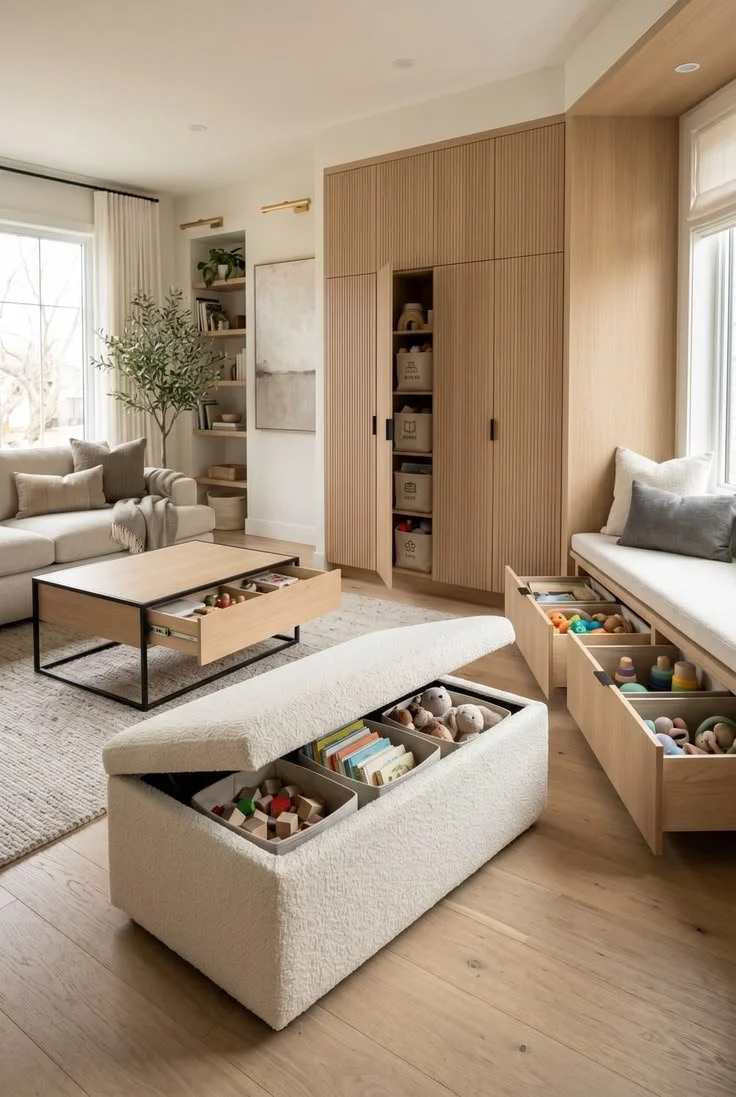
A few thoughtful storage choices can tame building blocks, stuffed animals and art supplies while preserving the colors, materials and decorative details you love.
Strike the Balance Between Fun and Order
Start by deciding which toys need daily access and which can live elsewhere. A shallow basket beside the sofa might hold current favorites, while puzzles and seasonal toys can move to a closet. Rotating a small selection every few weeks also keeps the room from feeling crowded.
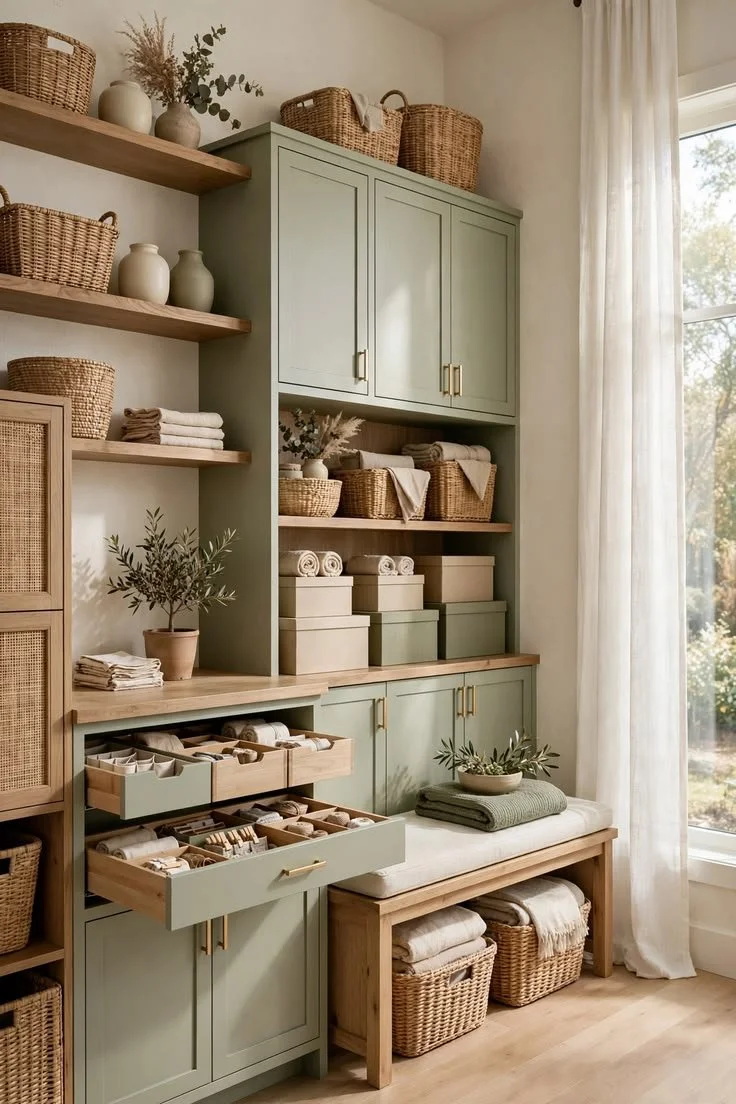
The best family room toy hacks use furniture that already belongs in the space, including lidded ottomans and storage tables. Choose containers in two or three coordinating colors so the room feels connected. For more help balancing personality and practicality, these funky and functional design ideas offer a useful starting point.
Built-In Bench Seating with Hidden Storage
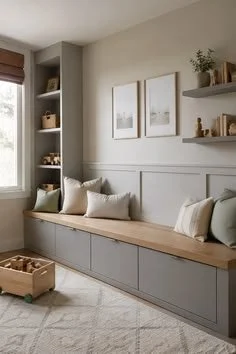
A window bench can turn an overlooked wall into seating, storage and a cozy reading spot. Deep drawers work well for train sets, dolls and larger toys because children can see the contents without digging through a tall bin. Lift-up seats offer greater capacity, though they need child-safe hinges and enough clearance to open comfortably.
If your room has an awkward corner, sloped wall or unusually wide window, custom cabinetry can use the full space. Homeowners in Ballina can consult cabinet makers for custom storage designed around the room’s dimensions. Match the bench finish to nearby cabinetry or trim, then add washable seat cushions for color and comfort.
Low Drawers for Toddler Independence
Place everyday toys between floor level and your child’s waist so cleanup doesn’t depend on an adult. Wide, low drawers are especially useful because toddlers can slide toys inside without lifting a heavy lid. Look for soft-close runners, rounded handles and secure wall anchoring. A drawer should also open fully without blocking the room’s main walkway.
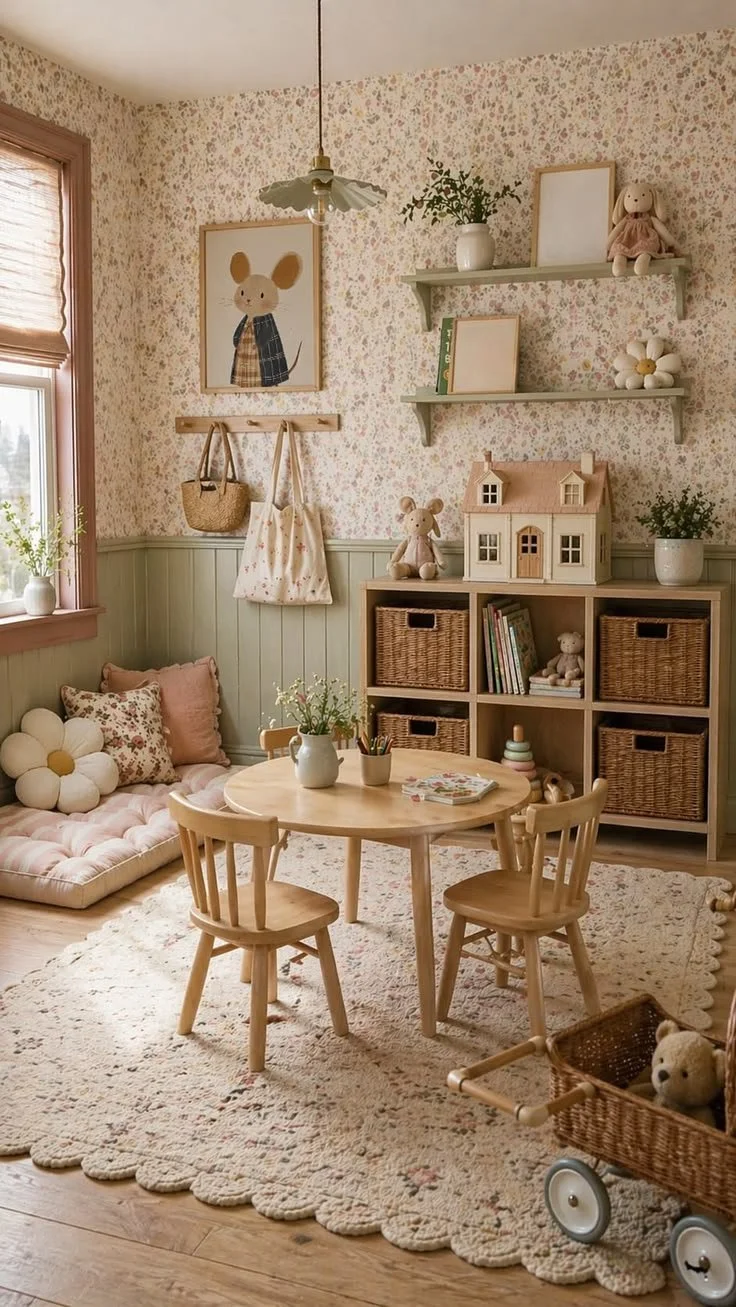
Simple picture labels help young children learn where items belong. Use one image for blocks, one for vehicles and one for craft supplies. Keep categories broad enough that tidying stays easy.
Clean Display Shelves for Grown-Up Style
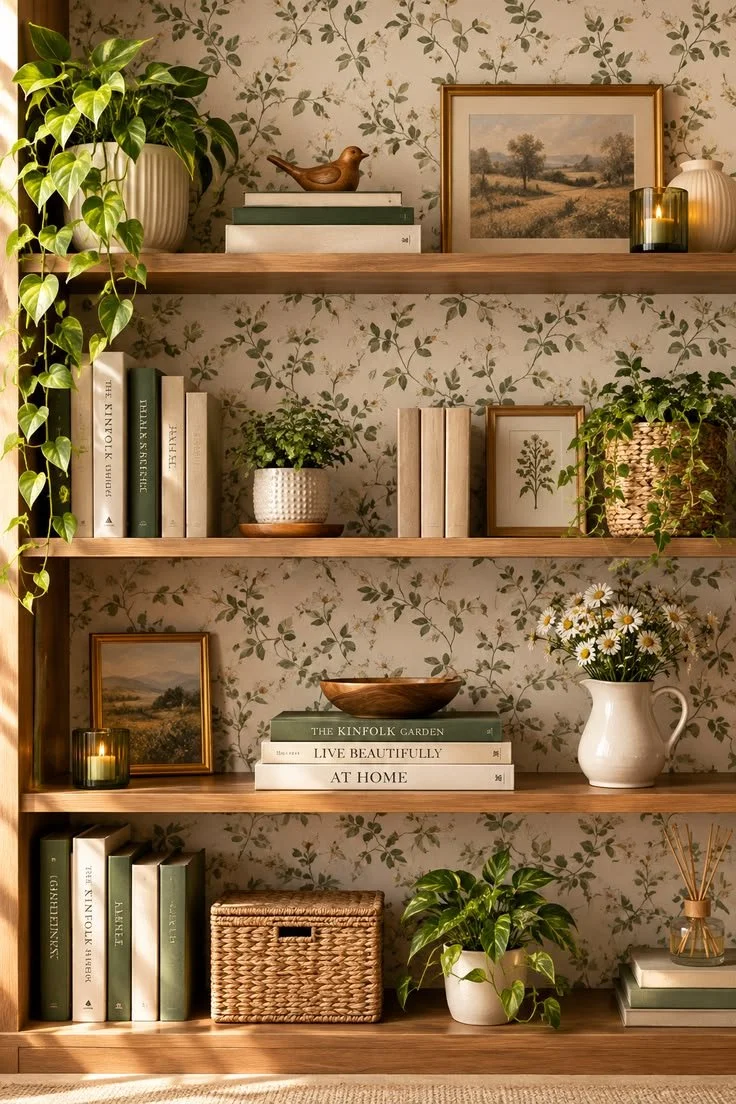
Open shelves give the eye somewhere to rest above closed toy storage. Reserve them for books, framed photos, ceramics and a few beautiful children’s items, such as a wooden puzzle or favorite illustrated book. Leaving some empty space between objects keeps the arrangement from looking like another storage zone.
Keep loose pieces in matching boxes on the lowest shelf, then place fragile decor well above a child’s reach. Repeating one material, such as pale wood or woven fiber, helps separate objects feel intentional. Avoid filling every shelf on installation day. Your display will look more personal when there’s room for a new family photo, a handmade keepsake or a changing stack of library books.
At the end of the day, cleanup should take about five minutes. When the last basket slides under the bench and the low drawers close, the room can return to its grown-up mood without erasing the fact that children live and play there.