Solving the Family Home Storage Dilemma with Style
Family storage works best when every item has a logical home that everyone can reach. In a busy household, that means creating practical places for toys, school supplies, shoes and everyday essentials without making the rooms feel crowded. A few flexible systems can turn clutter-prone areas into comfortable spaces that still reflect your personal style.
The Daily Chaos of Family Clutter
Clutter often gathers where daily routines overlap. Backpacks land near the front door, craft supplies spread across the dining table and toys migrate into the living room. Start by watching where items naturally collect for one week. Those piles reveal where storage needs to go.
Place hooks and narrow baskets near the entry, add a tray for school papers and reserve an easy-to-reach bin for frequently used toys. Clear labels help children return things without assistance. For a broader room-by-room reset, these messy-space organizing solutions offer practical ideas for the spots that tend to get overlooked.
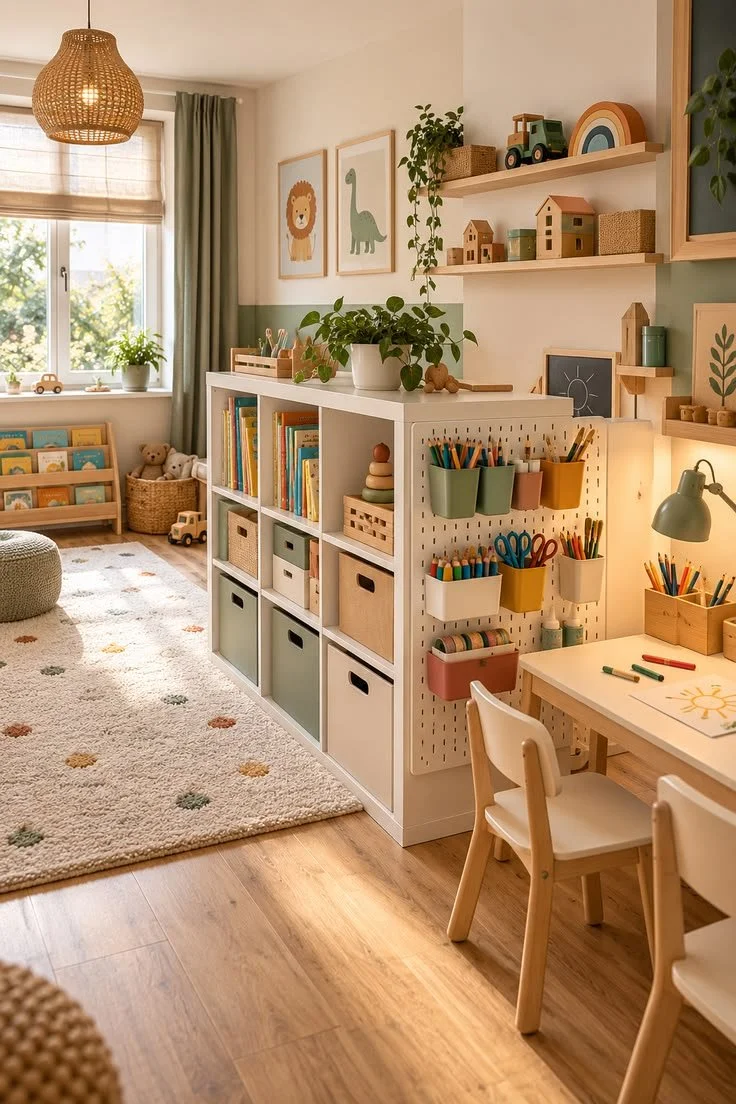
Rethinking Modular Toy Organizers
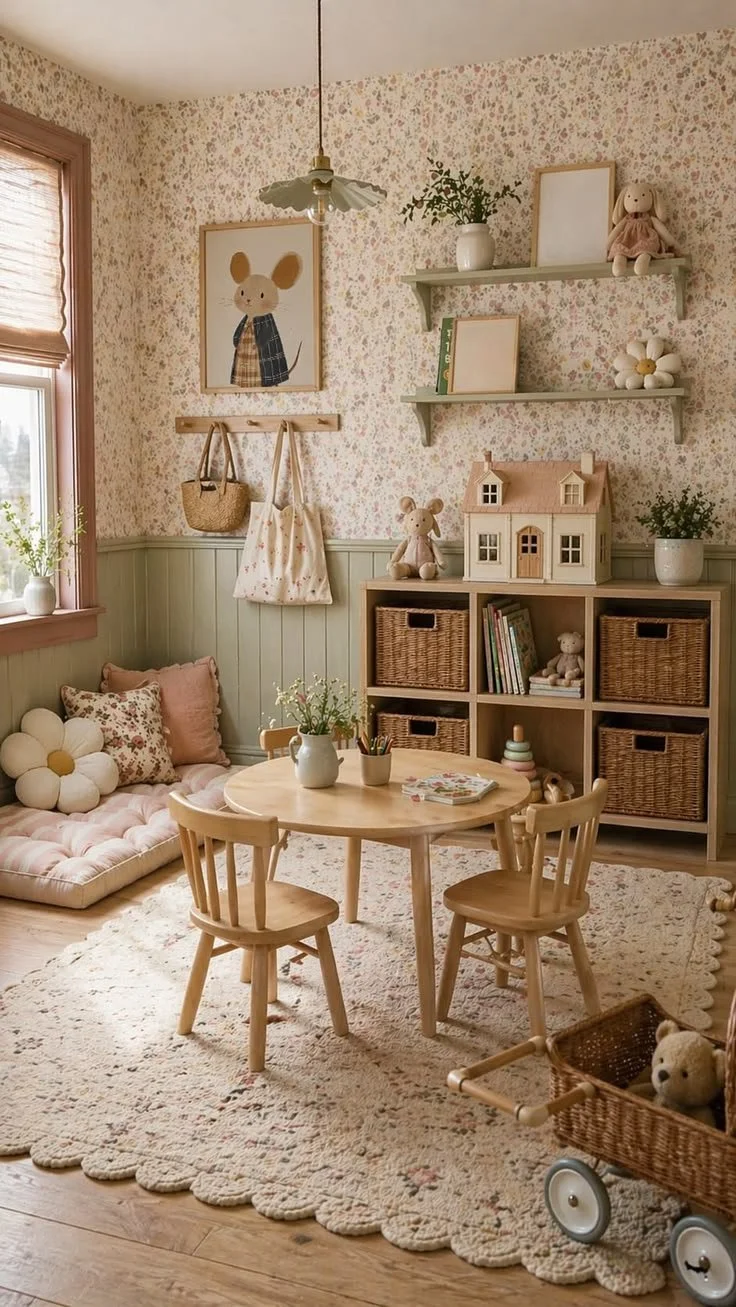
Modular toy storage can adapt as play habits change. Low cubbies suit toddlers because the contents remain visible and accessible. Later, those same units can hold books, board games, sports accessories or homework supplies.
Choose sturdy frames with removable bins so you can change the layout without replacing the whole organizer. Shallow containers work well for building pieces and art materials, while deep baskets suit stuffed animals or dress-up clothes. These family toy storage ideas show how practical organization can fit comfortably within shared living areas. Keep the most-used categories between a child’s knee and shoulder height to make cleanup easier.
Collaborate with Skilled Cabinet Makers
Some rooms have awkward corners, sloped ceilings or limited floor space that standard furniture can’t use efficiently. This is where custom cabinetry can make a noticeable difference. Homeowners in Townsville and surrounding areas can consult experienced cabinet makers about built-in wardrobes, entertainment units and cabinetry designed for a specific room.
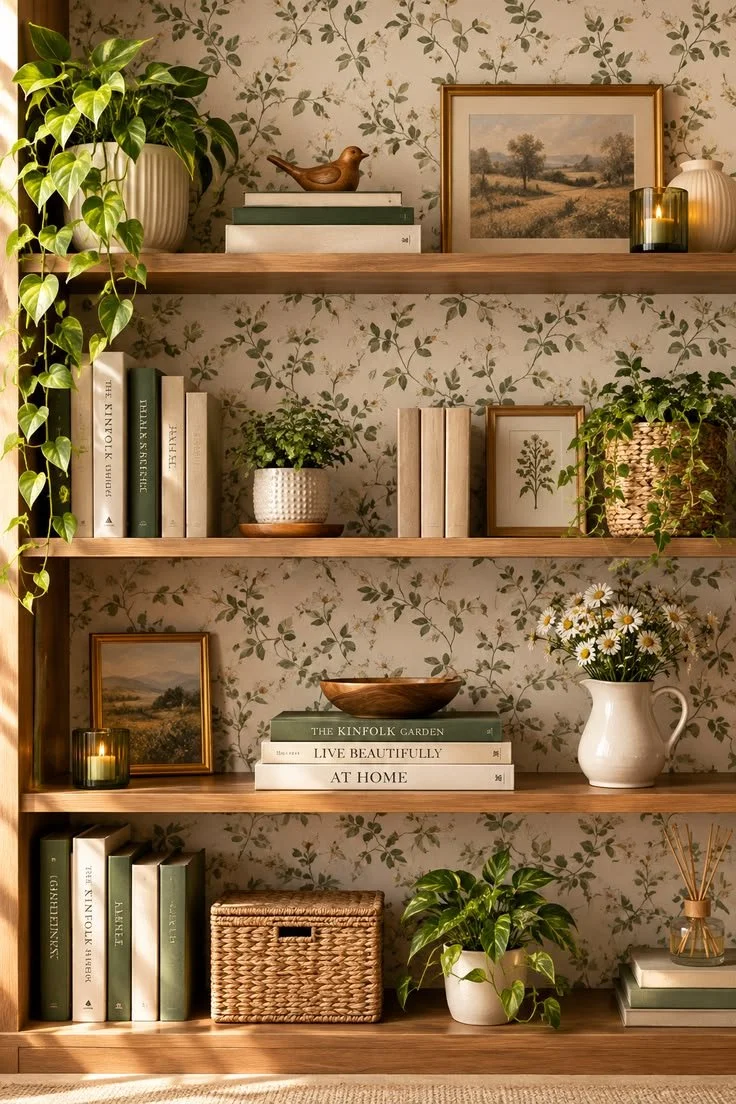
Before requesting a design, list what the unit needs to hold and measure the largest items. Ask for adjustable shelves, soft-close hardware and a mix of open and closed storage. Closed cupboards can hide visual clutter, while a few open shelves keep books, photos and attractive baskets within reach. A clear inventory helps the finished design support real household routines.
Dual-Purpose Seating and Credenzas
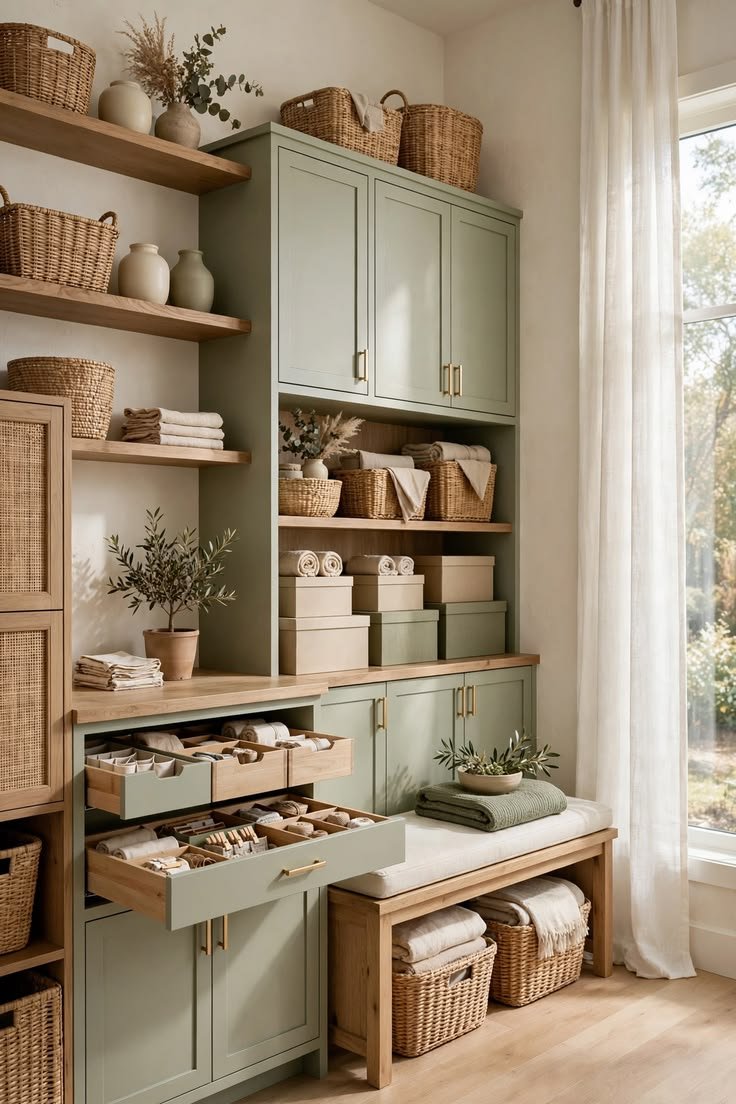
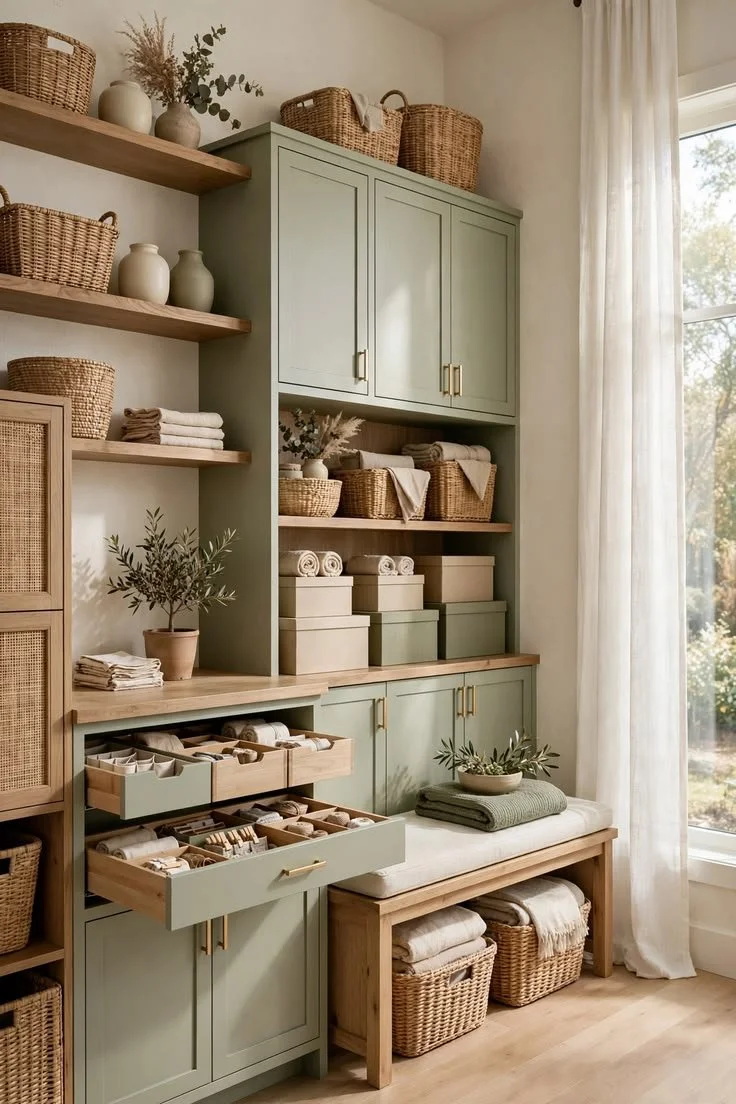
Furniture can earn its place by handling more than one job. A window seat with drawers creates a reading nook while storing blankets, puzzles or seasonal items. In an entryway, a bench with shoe compartments gives children somewhere to sit while getting ready.
Credenzas are equally useful outside the dining room. A low unit can hold craft supplies in a family room, paperwork in a home office or extra dishes near the kitchen. Look for drawers with full-extension runners so nothing disappears at the back. The ideas in this guide to storage solutions for a clutter-free life can also help you match each storage type to the items you use most.
Systems That Grow with Your Children
Children’s storage needs can shift quickly, so build flexibility into the system from the start. Adjustable closet rods can begin at child height and move upward later. Pegboards can hold small baskets for art supplies, then support headphones, notes and study tools during the teen years.
Avoid permanent labels that lock a container into one purpose. Slip paper labels into metal holders or use erasable tags so “toy cars” can become “school supplies” without buying new bins. Leave about 20 percent of each shelf empty to make everyday cleanup manageable and allow room for new belongings.
The most useful family storage feels easy to maintain on an ordinary Tuesday evening. When children can see where their things belong and reach those spaces safely, putting the room back together becomes part of the routine instead of another household project.