The Real Cost of Putting Off Interior Painting
Interior paint ages gradually, which makes it easy to postpone a refresh for another season. Fading, small marks, and dull patches rarely feel urgent on their own. Over time, though, worn paint can expose the surface underneath, make rooms harder to clean, and leave an otherwise cared-for home looking tired. Addressing those early signs usually takes less work than waiting until the walls need extensive repairs.
Subtle Wear You Stop Noticing
You see your walls every day, so slow changes tend to blend into the background. Sunlight can fade sections near windows while cooking residue, fingerprints, and dust create uneven color elsewhere. Compare a busy wall with the paint behind a picture frame or piece of furniture. The difference may be more obvious than expected.
Check high-traffic areas every six months, especially hallways, kitchens, and children’s rooms. Look at the walls during daylight and turn on overhead lighting to catch changes in sheen. If cleaning leaves shiny spots or removes color, the finish has started to break down. When selecting a replacement, review indoor air quality guidance and ask about low-emission paint for occupied rooms.
Scuffs Turn into Drywall Damage
A scuff is usually cosmetic, but chips and peeling areas can expose the drywall paper underneath. Once that surface tears, absorbs moisture, or collects grime, a simple touch-up may no longer work. You could need patching, sanding, and priming before new paint can go on.
Repair small chips as soon as you notice them, and save a labeled jar of leftover paint for minor corrections. Larger cracks, recurring peeling, or soft wall areas deserve closer inspection. San Antonio homeowners who need painting and drywall repair can consult Easy Peasy Painting Company when the project has grown beyond routine touch-ups. Visible wall damage can also affect how visitors or potential buyers view the entire property, as this guide to home woes that turn off buyers explains.
Choosing Quality over Quick Fixes
Cheap paint and rushed preparation can make a room look better for a few months, but weak coverage often leads to extra coats, uneven sheen, and early peeling. Spend time cleaning the surface, filling holes, and lightly sanding rough patches. Primer is useful over repairs, stains, and major color changes because it creates a consistent base.
Choose the finish according to how the room functions. Washable eggshell or satin paint often suits busy living spaces, while a moisture-resistant formula makes sense in bathrooms. Review the manufacturer’s coverage estimate, then buy enough paint from the same batch for the entire wall. The Paint Quality Institute’s homeowner resources can help clarify finish selection and preparation. Keep the label afterward so future touch-ups match.
Better Moods with Fresh Wall Colors
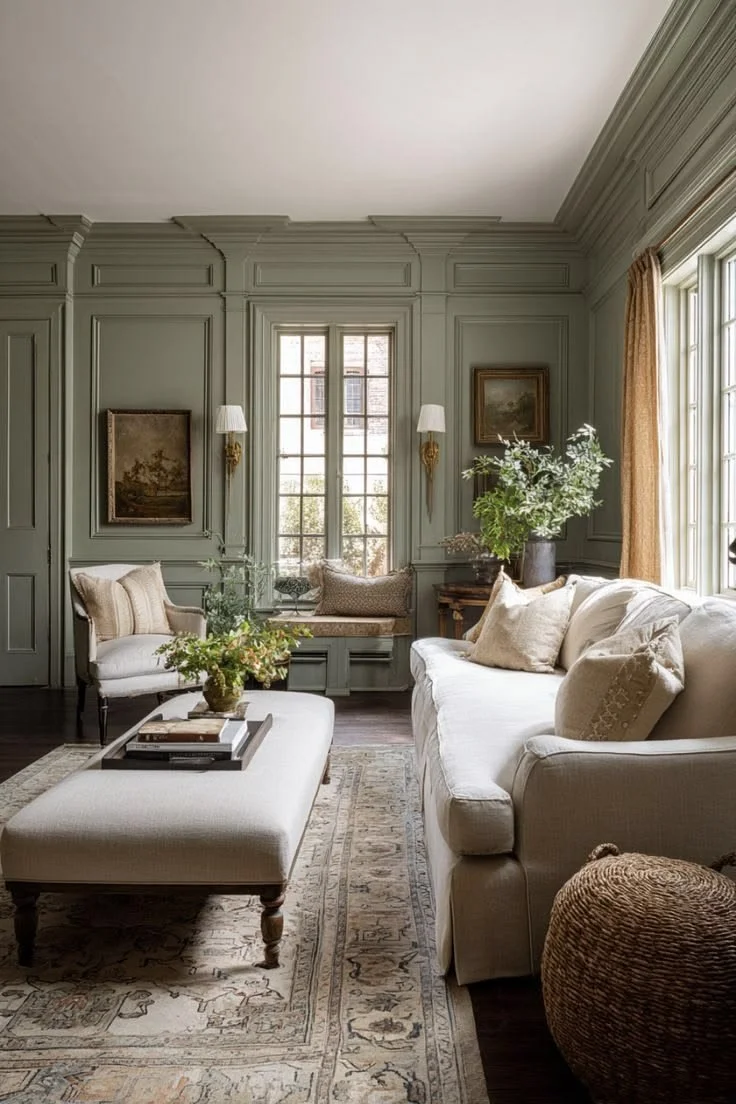
Wall color affects how a room feels, especially when the existing shade makes the space look dark or cramped. Warm whites and soft neutrals can help reflect daylight, while muted greens or blues may give bedrooms and reading areas a calmer character. Strong colors often work best when they connect with flooring, furniture, or fabrics already in the room.
Test two or three large samples before committing. View each one in morning light, afternoon sun, and artificial light because undertones can shift throughout the day. Paint sample boards if you don’t want several patches directly on the wall. A fresh color also creates an easy reason to remove clutter, wash trim, and reconsider furniture placement, giving the whole room a more finished appearance.
Don’t wait for peeling paint to spread across an entire wall. Inspect the areas around switches, corners, and doorways first since they usually reveal wear earliest. A timely repaint protects those surfaces and keeps a modest weekend project from becoming a larger drywall repair.