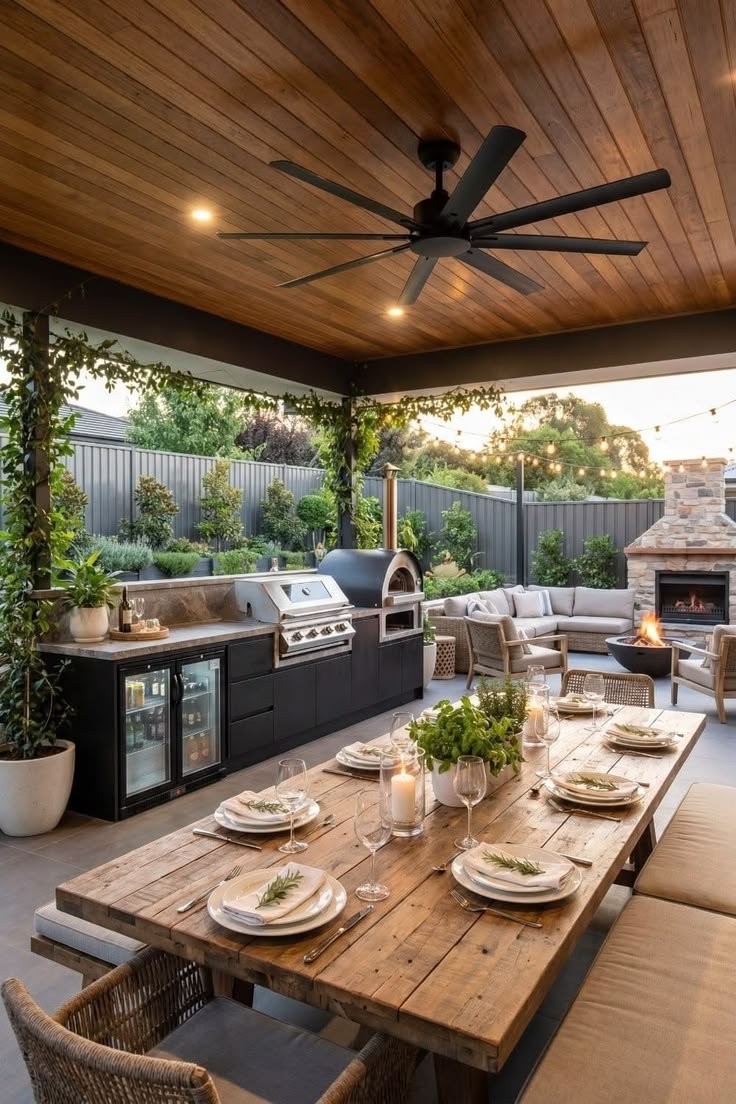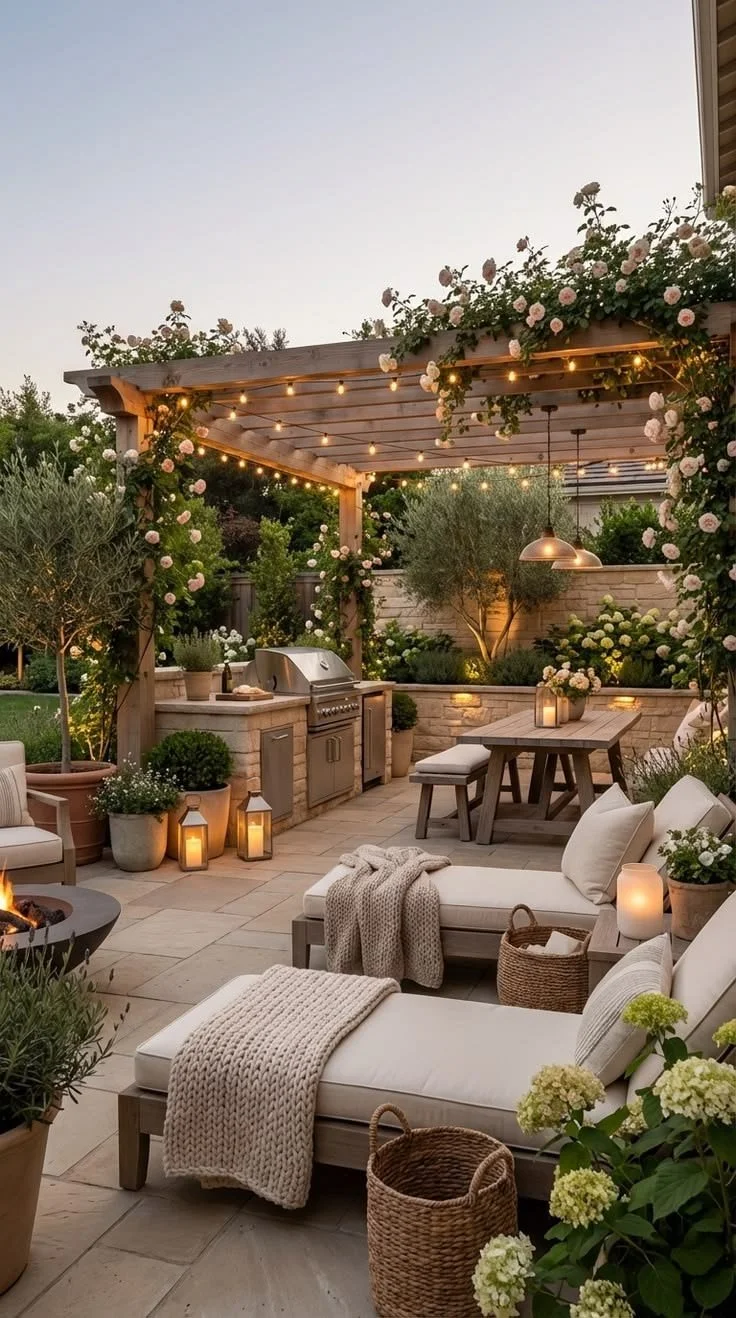
Crafting Your Dream Outdoor Living Space
A successful outdoor living space starts with a clear plan for how you’ll use it. A small balcony may need flexible seating and compact storage, while a large patio can support dining, lounging, and entertaining areas. Sun exposure, traffic flow and maintenance needs also affect every choice. Before buying furniture or adding decor, measure the area and watch how light, wind and shade change throughout the day. Those simple observations will help you create an outdoor space that feels comfortable, practical and connected to your home.
Define Your Outdoor Vision

Start by naming the two or three activities you want the space to support. You might picture quiet morning coffee, casual family dinners, or weekend visits with friends. Rank those activities so your main purpose receives the most room and budget.
Collect a few reference images, but keep your home’s architecture and available square footage in mind. The practical questions raised in this outdoor design discussion, including privacy and layout concerns, can help sharpen your plan. Then note permanent conditions such as doors, steps, utility access, and established plants. A vision grounded in how the area works will guide better decisions later.
Zoning Your Space for Function
Divide the area according to activity, even if you’re working with one modest patio. An outdoor rug can identify a conversation zone, while a planter or narrow console creates a visual boundary near a dining table. Leave roughly 3 feet for primary walkways so guests can move without bumping into chairs.
The outdoor room concept offers a useful framework for treating exterior areas as connected rooms. This guide to outdoor spaces that add function also explains how purposeful features improve everyday use. Once zones are measured, compare their dimensions with modern outdoor furniture sets to see which configurations fit without crowding circulation paths.
Selecting the Right Furnishings
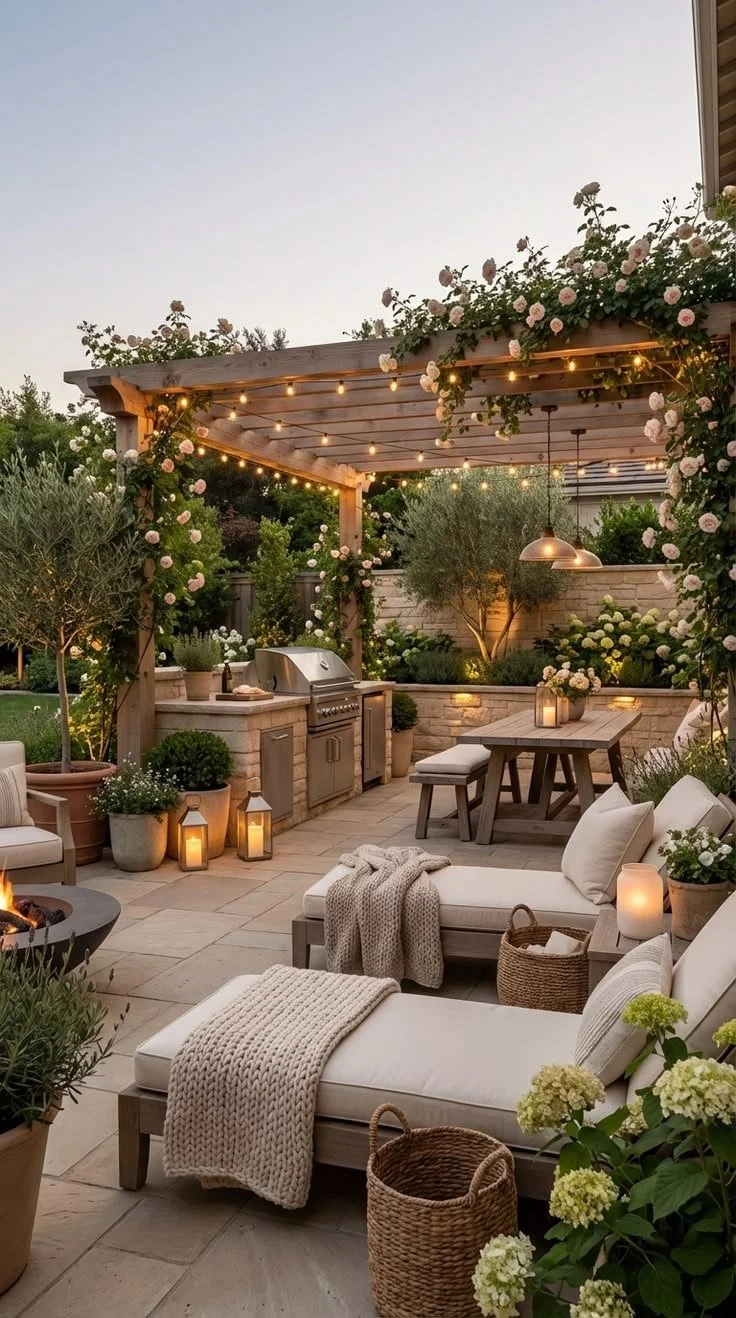
Choose furniture based on scale, materials, and upkeep. A deep sectional can overwhelm a narrow deck, while two chairs and a small table may leave a broad patio feeling unfinished. Mark each piece’s footprint with painter’s tape before ordering, then pull out the dining chairs to confirm there’s enough room to sit and walk behind them.
Look for frames and fabrics designed for outdoor exposure. Powder-coated metal, treated wood, and all-weather woven materials each have different care needs, so check product instructions before deciding. If storage is limited, favor stackable chairs, nesting tables, or pieces with built-in compartments. Neutral frames also make future updates easier because cushions and accessories can change without replacing the main furniture.
Adding Comfort and Style
Comfort comes from controlling sun, temperature, and glare. Use a patio umbrella or pergola where afternoon sun hits hardest, then add rechargeable table lamps or warm outdoor-rated string lights for evening use. Keep lighting focused near steps, seating, and food preparation areas instead of flooding the entire yard.
Textiles bring indoor softness outside, but they should remain easy to clean. Select washable cushion covers and an outdoor rug sized so at least the front legs of nearby seating rest on it. Two or three coordinated colors usually create a calmer look than many competing patterns. Finish with sturdy planters, a small side table, and a basket for blankets or sunscreen.
Seasonal Care for Longevity
Set a simple care schedule based on your climate and the manufacturer’s directions. Wipe surfaces every few weeks during heavy use, clean spills promptly, and let cushions dry fully before storing them. Trapped moisture can create odors and shorten fabric life.
At the end of the season, inspect fasteners, touch up damaged finishes, and clear debris from furniture joints. Breathable covers protect larger pieces, while cushions last longer in a dry storage box, closet, or garage. Avoid sealing damp furniture under a cover because condensation can remain underneath. A quick inspection when you bring everything back out will catch loose hardware early, leaving the space ready for the first comfortable afternoon outdoors.