This Is How To Make Sure Your Home Is Emergency Ready
If you are looking for advice on how to make sure your home is ready in an emergency, just keep reading!
What is an emergency?
Emergency is a wide term, but for this post, we can consider it a sudden and serious issue that makes your location, or home, unsafe or uninhabitable for a length of time. Examples could include issues such as heavy storms, earthquakes, and floods, as well as the preceding power and utility cuts that can occur.
Educate yourself on the risks in your location and property.
First of all, to come up with a suitable plan for an imagery, you need to know what you might be facing. This means educating yourself on the risks most likely in your area. For example, do you live on a flood plain, or is your home situated in Tornado Alley? If this is the case, then preparing for the most likely emergencies will not only give you the peace of mind you need but also make your plans more effective.
Create an emergency kit.
The first stage of making sure your home is emergency-ready is getting an emergency kit together. This is a pack that contains all the basic things you will need for survival. It should contain things like water, food, light and power, a first aid kit, as well as tools, and your vital documents, including ID and passports. See the specifics for each category below:
Food: non-perishable, high-calorie, be sure to include for babies, pets, as well as human adults.
Water: 3 days supply - 1 gallon per person per day, also don't forget your babies, children and pets in these calculations.
Light and power: Flash lights, batteries, a wind-up radio, and a power bank / mini generator
First aid kit: Hand sanitizer, paracetamol, ibuprofen, bandages, plasters, antiseptic, and a stock of any prescription drugs for a minimum of three days for those who live in the home.
Tools: Local maps in waterproof bags, cash, duct tape, multitool.
One of the most important features of this bag needs to be that it's easily accessible, so you can just grab it and go if you need to. It's also vital that it's light enough to stay portable, so keep the size of your go bag to a medium backpack.
Consider longer-term provisions.
Once you have your short-term provision set up, it's important to consider longer-term ones too. These are the things that will allow you to stay living in your property in situations where normal facilities are down for a longer duration. For example, in some locations in winter, access to energy and water can be disrupted by bad weather and storms.
The first thing you will need is a generator that will allow you to make your own energy. People used to choose ones that run on gas, but solar is a much better idea, as you won’t need to worry about running out of fuel, and they can be charged in the day and run during the night.

To ensure you have a good supply of clean water for drinking, getting something like this 300 gallon water tank installed in your home is a good idea. It's even designed to fit through your doorway, so installing it couldn't be easier.
For homes that need heating but would rather not run this from their generator, a wood-burning stove can be a smart choice. This is because they can be hooked up to provide heat to just about every room in the home. You can also get stoves that burn shredded cardboard, too, making it even easier to find the fuel you need.
Weatherproofing.
If extreme weather is the cause of most home emergencies in your location, staying up to date with weatherproofing your home is a must. One of the most effective steps you can take for homes that are buffered with strong winds is to install storm windows. These should be installed on the outside of your home, and can be put into place once you receive a bad weather warning. They are designed to protect your windows from shattering in bad weather, and as a bonus, they also help to minimize drafts and make your home more energy efficient, too!
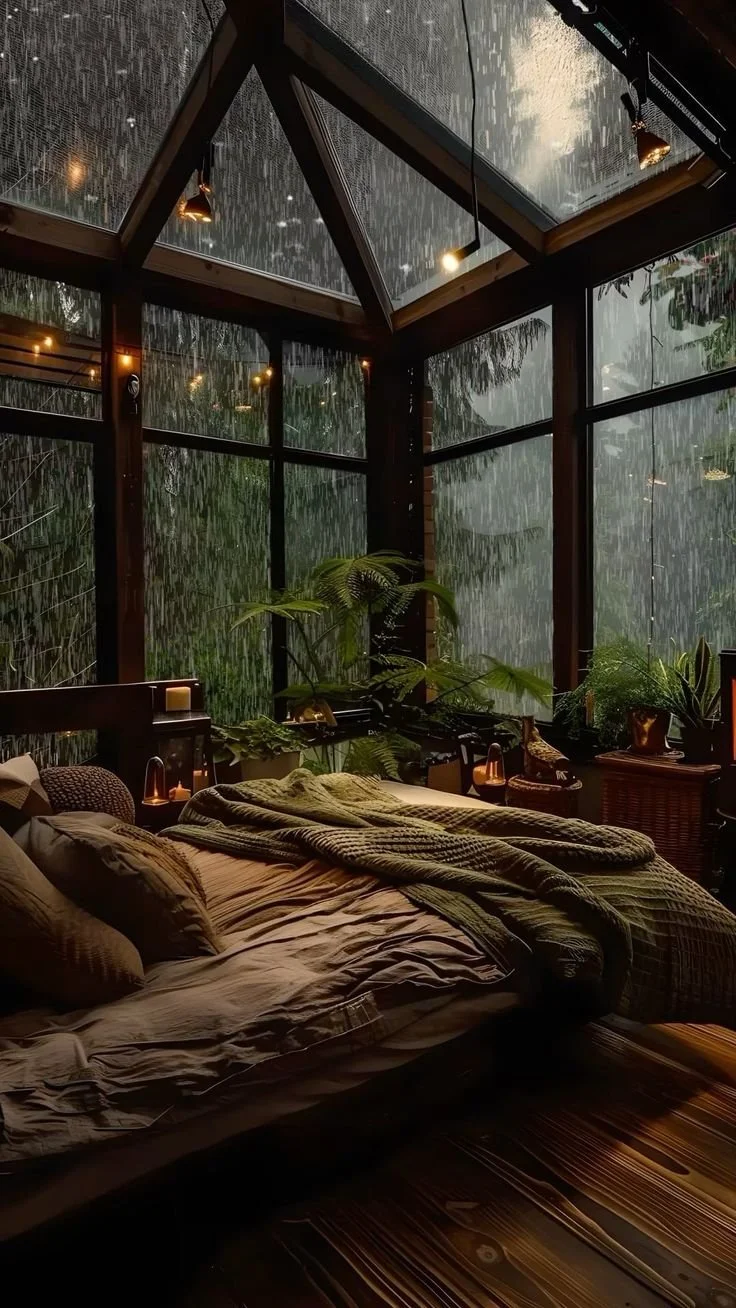
Rainproofing your home is also crucial if you live in an area that is regularly hit by storms. Be sure to pay attention to your gutters as well as your roof, here, as these can be a prime source of leaks and damp that can impact the integrity of your home.
Another important consideration when it comes to weatherproofing your home is adding insulation. Most people think that this is only vital in areas that get very bad cold weather, such as snow and hail. However, this is not the case, because a well-insulated home is easier to keep cool, too. The reason for this is that insulation will help keep the current volume of air inside your property. This means if you have heated this air, it will keep the inside hot, but if you have cooled it, it will keep the inside cold, making it a crucial weather-proofing technique for all climates.
Home security.
In an acute emergency, home safety measures such as fire alarms, fire extinguishers, smoke alarms, and carbon monoxide alarms are important. Similarly, burglar alarms and security systems, especially the more high-tech ones that are now on the market, can help protect your property even if you need to evacuate.
Make an emergency/evacuations plan.
Last of all, making sure that your home is imagery ready means having an evacuation plan. In fact, it's a good idea to have different plans for different situations, from flooding to fire, to earthquakes, to tornadoes.
For example, making sure that everyone knows the emergency escape route from upstairs if there is a fire in the home is vital. Also, make everyone who lives in your property rehearse them too, as this can help keep people calm and ensure they know what to do if something does go wrong.
However, in the event of a flood, it's likely that you will want household members to find higher ground rather than exiting the building. Although in the case of an earthquake, the emergency plan should include finding structurally safe areas, such as doorways or bathrooms, where it is safer to take shelter.